
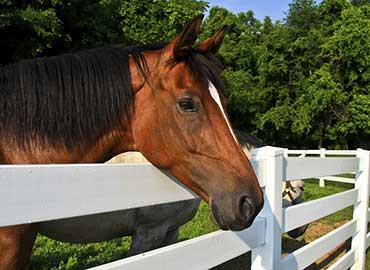
Vinyl Farm Fence: Durable, Low-Maintenance, and Stylish for Modern Farms
Vinyl farm fences offer a practical and long-lasting solution for property owners, farmers, and ranchers. Unlike wood or metal, vinyl combines strength with minimal maintenance, resisting rot, rust, and weather damage. This fencing option improves both functionality and aesthetic appeal, creating a professional, polished look for pastures, gardens, and livestock areas.
Benefits of Vinyl Farm Fence
Vinyl farm fences provide multiple benefits for property owners. They resist cracking, peeling, and warping, even in harsh weather conditions. This material also repels moisture, reducing the risk of mold and mildew growth.
Vinyl fences require little upkeep. Homeowners can clean them easily with water and mild soap, and they maintain their color and finish for decades. Additionally, vinyl panels remain sturdy under stress, making them safe for livestock enclosures and property boundaries.
The visual appeal of vinyl fences adds value to any property. Smooth, uniform panels create a neat and tidy appearance, enhancing outdoor aesthetics. These fences also offer flexibility in design, allowing customization for different farm layouts or decorative purposes.
Types of Vinyl Farm Fence
Vinyl farm fences come in several styles and finishes to suit various needs. Popular options include:
-
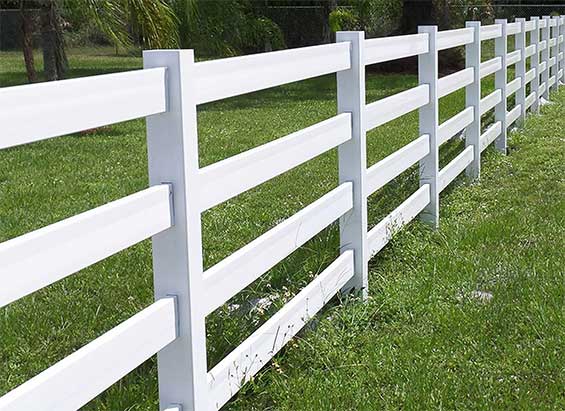
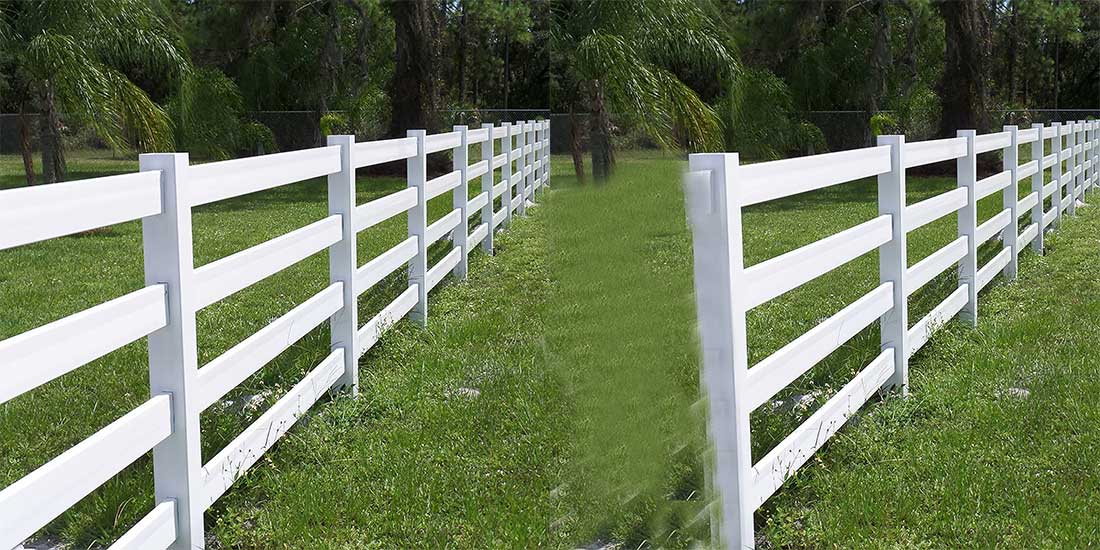
White Vinyl Fence: Classic, clean design that enhances curb appeal.
-
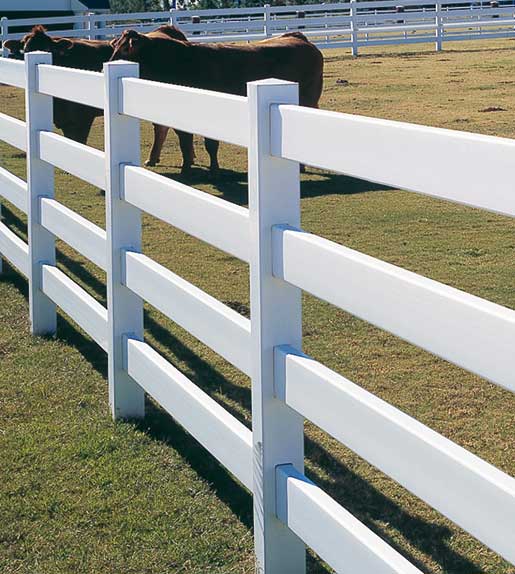
Post-and-Rail Vinyl Fence: Ideal for livestock containment and large pastures.
-
Picket Vinyl Fence: Decorative option suitable for gardens or smaller enclosures.
-
Heavy-Duty Vinyl Panels: Reinforced panels for high-traffic areas or larger animals.
Each style balances durability, functionality, and visual appeal, enabling farmers to select fencing based on livestock, property size, and design preferences.
Vinyl Farm Fence for Livestock Safety
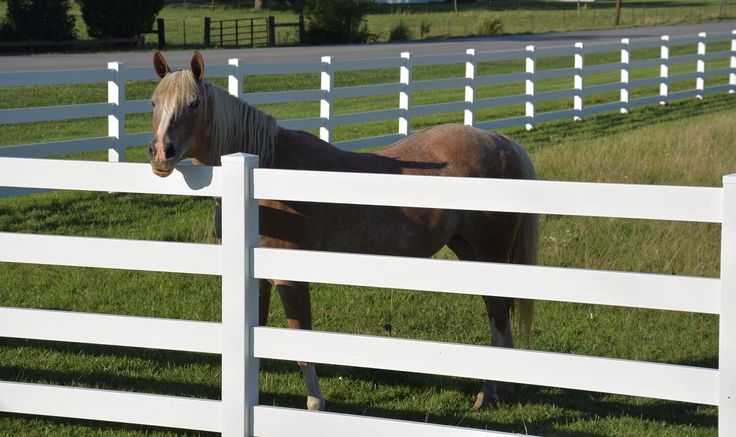
Vinyl farm fences provide a secure and safe environment for livestock. Smooth edges and sturdy panels prevent injuries commonly associated with barbed wire or splintering wood.
Horses, cattle, goats, and sheep benefit from strong, contained enclosures. Vinyl panels reduce the risk of animals escaping while withstanding pressure or leaning. Properly spaced rails ensure even small animals remain safely within fenced areas.
In addition, vinyl fences help protect crops and property from animal intrusion. This combination of safety, containment, and durability makes vinyl fencing ideal for both small farms and large ranches.
Average Cost of Vinyl Farm Fence
The cost of vinyl farm fences depends on height, panel type, and installation requirements. Standard panels typically range from $25 to $70 per linear foot. Heavy-duty or decorative styles can cost $80 to $120 per linear foot.
Labor for installation averages $5 to $15 per linear foot, depending on terrain and complexity. Gates and additional features may increase costs slightly. While vinyl may initially cost more than wood or chain-link, low maintenance and long-term durability make it a cost-effective investment.
Maintenance of Vinyl Farm Fence
Vinyl fences require minimal maintenance compared to wood or metal. Cleaning involves a quick rinse with water or a mild soap solution. Routine inspections of posts and fasteners ensure continued stability.
Vinyl resists rust, rotting, and insect damage, making it suitable for all climates. It does not require painting, staining, or sealing, which saves both time and money over decades. Regular care ensures panels remain straight, secure, and visually appealing.
Durability of Vinyl Farm Fence
Vinyl farm fences deliver exceptional durability for long-term farm use. Panels withstand high winds, heavy rain, snow, and intense sun without deteriorating. Unlike wood, vinyl does not warp, split, or rot, and it resists fading.
Many vinyl fences come with 20- to 30-year warranties, reflecting manufacturers’ confidence in their longevity. The material’s resistance to chemical damage and moisture ensures reliable performance year after year. Proper installation further increases stability and lifespan.
Vinyl Fence vs Wood, Aluminum, and Chain-Link Fencing
Vinyl fences outperform traditional materials in several ways:
-
Wood: Wood requires frequent staining, sealing, and replacement due to rot and warping.
-
Aluminum: Aluminum resists rust but may dent or bend under heavy pressure.
-
Chain-Link: Chain-link fences are affordable but less visually appealing and less secure for livestock.
-
Vinyl: Combines aesthetics, durability, low maintenance, and livestock safety.
Installation Tips for Vinyl Farm Fence
Installing vinyl farm fences requires careful preparation. Start by measuring and marking post locations. Ensure posts are level and set securely in concrete for maximum stability.
Slide panels into pre-drilled slots and secure with provided fasteners. Check alignment and spacing to maintain even, straight lines. Gates should open smoothly without dragging on panels or ground.
For sloped terrain, adjust post heights and panel angles gradually. Proper installation ensures long-term durability, structural integrity, and a professional appearance.
Seasonal Care and Maintenance
Vinyl farm fences remain low-maintenance throughout the year but benefit from seasonal attention:
-
Winter: Remove snow buildup from rails to prevent pressure or bending.
-
Spring: Rinse off pollen, mud, or debris accumulated during winter.
-
Summer: Inspect for fading or discoloration due to UV exposure, though most panels remain resilient.
-
Fall: Clear leaves or plant matter near posts to prevent water accumulation.
Consistent seasonal care ensures your vinyl fence performs optimally and lasts decades.
Eco-Friendly Advantages of Vinyl Farm Fence
Vinyl fencing can support sustainable property management. Many panels include recycled materials, reducing the need for new resources. Its long lifespan minimizes replacements and decreases overall waste.
Additionally, vinyl is recyclable at the end of its life, further reducing environmental impact. Choosing vinyl fencing supports sustainable farming practices while providing durability and low maintenance.
Creative Uses of Vinyl Farm Fence
Vinyl fences offer more than livestock containment. They can enhance property aesthetics and functionality:
-
Garden Enclosures: Protect crops and plants from animals.
-
Property Boundaries: Define farm or ranch limits neatly and clearly.
-
Decorative Accents: Picket or white fences enhance visual appeal for residential or farm settings.
-
Windbreaks: Use panels to block wind and create sheltered zones for animals or crops.
These applications highlight vinyl’s versatility and practicality across farm and ranch environments.
Color and Style Options
Vinyl farm fences come in multiple colors and styles to match property aesthetics:
-
White Vinyl Fence: Classic and clean appearance for traditional or modern farms.
-
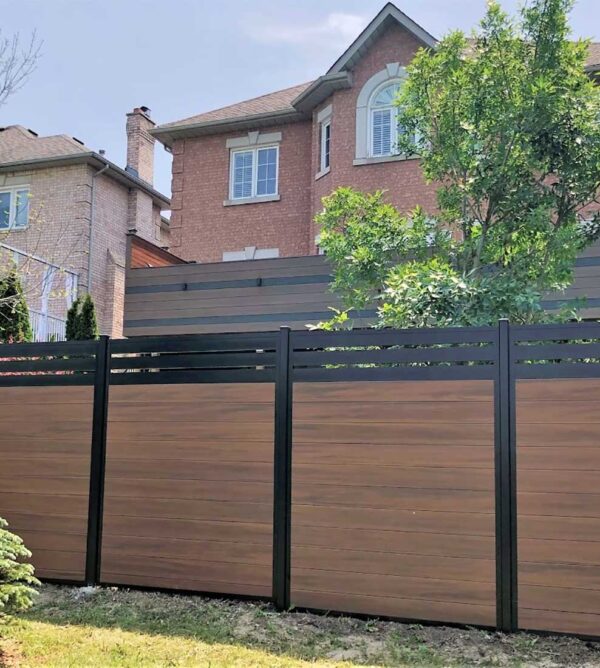
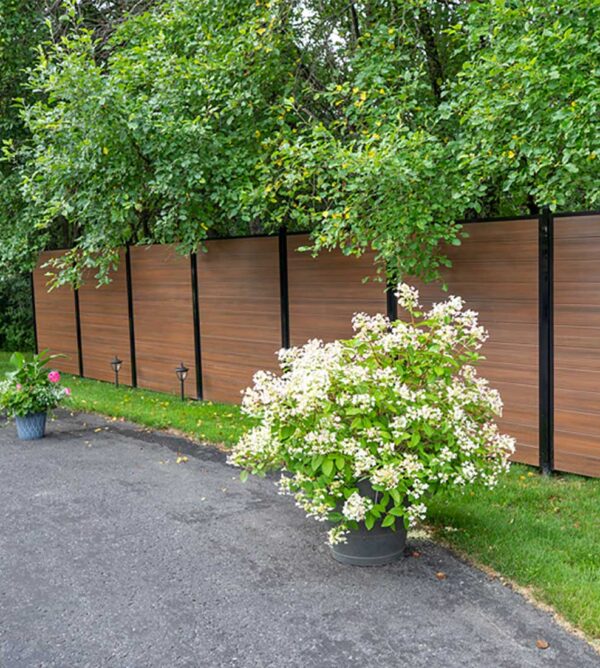
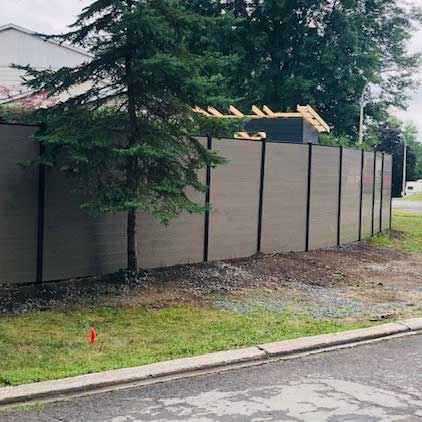
Black or Brown Panels: Blend with natural landscapes or rustic environments.
-
Picket or Post-and-Rail Designs: Offer decorative appeal while maintaining livestock safety.
Powder-coated finishes and high-quality vinyl ensure color longevity and resist scratches or fading.
Long-Term Investment and Warranty
Investing in a vinyl farm fence offers long-term benefits. Its durability, low maintenance, and versatility reduce replacement costs over decades. Most manufacturers provide 20–30-year warranties covering material and finish.
Property owners gain confidence knowing the fence remains strong, visually appealing, and safe for livestock for decades. Minimal maintenance combined with resilience makes vinyl fencing a reliable, cost-effective choice.
Conclusion: Vinyl Farm Fence Is the Smart Choice for Modern Farms
Vinyl farm fences provide a perfect combination of durability, low maintenance, and visual appeal. They protect livestock, define property boundaries, and enhance farm aesthetics. With styles like white, post-and-rail, and heavy-duty panels, vinyl suits any farm size and design preference.
Its resistance to rot, rust, UV damage, and extreme weather ensures a long-lasting, practical investment. By installing a vinyl farm fence, property owners secure livestock, maintain a professional appearance, and reduce ongoing maintenance efforts.
For farmers, ranchers, and property managers seeking a long-term fencing solution, vinyl farm fences offer unparalleled performance, safety, and style. Investing in vinyl fencing today guarantees reliable, functional, and beautiful results for decades.
Vinyl Farm Fence vs Other Fencing Materials
Understanding the differences between vinyl and other fencing materials helps property owners make informed decisions.
| Feature | Vinyl Farm Fence | Wood Fence | Aluminum Fence | Chain-Link Fence |
|---|---|---|---|---|
| Durability | Lasts 20–30+ years, resists rot, cracking, and warping | 10–15 years, prone to rot and warping | 20–30 years, rust-resistant but can dent | 15–20 years, may sag or rust |
| Maintenance | Minimal, occasional cleaning | High, requires staining/sealing | Low, occasional cleaning | Moderate, may need rust protection |
| Cost | $25–$120 per linear foot | $15–$50 per linear foot | $30–$120 per linear foot | $5–$30 per linear foot |
| Aesthetic Appeal | Smooth, uniform panels; various styles/colors | Natural wood look | Sleek and modern | Functional but less decorative |
| Livestock Safety | Smooth, safe edges; strong panels | Can splinter; risk of injury | Smooth, strong; may bend under pressure | Can cause cuts or entanglement |
Vinyl fencing balances durability, safety, and aesthetics better than most alternatives. Its combination of minimal maintenance and long-term reliability often makes it the most cost-effective choice over decades.
Advanced Installation Tips for Vinyl Farm Fence
Installing vinyl fencing correctly ensures maximum lifespan and performance. Follow these advanced tips:
-
Plan Thoroughly: Sketch the layout including post locations, gates, and slope adjustments.
-
Choose Proper Footing: Set posts in concrete for stability, especially in areas with soft soil or heavy rainfall.
-
Level Panels: Ensure each panel sits level and straight. Misaligned panels can cause stress and early wear.
-
Adjust for Terrain: On slopes, gradually step panels rather than forcing angles.
-
Install Gates Carefully: Ensure smooth operation and avoid sagging over time.
-
Check Fasteners: Tighten all brackets and screws to prevent movement or wobbling.
Following these steps prevents common problems such as panel warping, loose posts, or uneven spacing, ensuring a professional finish.
Seasonal Care and Maintenance Guide
Although vinyl requires minimal upkeep, a seasonal maintenance schedule preserves appearance and performance:
-
Spring: Rinse off winter debris, inspect posts, and tighten fasteners.
-
Summer: Check for minor fading, remove dust, pollen, or dirt.
-
Fall: Clear leaves and plant debris to avoid moisture buildup around posts.
-
Winter: Remove snow accumulation from rails to prevent stress on panels.
Routine care prevents minor issues from becoming long-term problems and extends the fence’s life beyond 30 years.
Creative Uses of Vinyl Farm Fence Beyond Livestock
Vinyl fencing is highly versatile and can enhance farm functionality and aesthetics in several ways:
-
Garden Protection: Create safe enclosures to protect crops from wildlife.
-
Property Definition: Clearly define farm boundaries for easy management.
-
Decorative Landscaping: Use picket or post-and-rail panels to enhance visual appeal.
-
Windbreaks: Position panels strategically to protect livestock or crops from wind.
-
Play Areas: Design safe zones for children or farm visitors.
These applications demonstrate vinyl fencing’s ability to blend function and beauty.
Color and Design Options
Vinyl fences offer multiple colors and design styles to suit farm aesthetics:
-
White: Classic, clean, and traditional appearance.
-
Black or Brown: Blends with natural landscapes or rustic designs.
-
Post-and-Rail: Ideal for livestock, open yet secure.
-
Picket: Decorative and visually appealing for gardens or residential farm areas.
Powder-coated finishes resist scratches and fading, maintaining color and visual appeal for decades.
Durability and Long-Term Investment
Vinyl fencing is one of the most durable materials for farms:
-
It withstands wind, rain, snow, and sun without cracking or fading.
-
Panels do not rot, splinter, or attract pests, unlike wood.
-
Minimal upkeep reduces long-term expenses.
-
Warranties range from 20 to 30 years, showing confidence in the material’s longevity.
Investing in vinyl fencing ensures decades of reliable performance while saving money on maintenance and replacement costs.
Why Vinyl Farm Fence Is Environmentally Friendly
Vinyl fencing often contains recycled materials, reducing the need for new resources. Long lifespans mean fewer replacements, lowering waste over time. Additionally, vinyl is recyclable at the end of its life, preventing unnecessary landfill contributions.
By choosing vinyl, farmers adopt a sustainable approach while enjoying a durable, low-maintenance fencing solution.
Safety and Security Benefits for Livestock
Vinyl farm fences provide safety advantages over traditional fencing materials:
-
Smooth Edges: Prevent cuts and injuries common with barbed wire or wood.
-
Sturdy Panels: Withstand pressure from livestock without bending or breaking.
-
Customizable Heights: Ensure animals stay contained safely.
-
Reduced Escape Risks: Properly spaced rails prevent small livestock from slipping through.
These features make vinyl ideal for horse paddocks, cattle pastures, goat pens, and mixed livestock farms.
Cost-Benefit Analysis
While vinyl fences may cost more upfront than wood or chain-link, long-term benefits justify the investment:
-
Initial Costs: $25–$120 per linear foot depending on panel style.
-
Installation Costs: $5–$15 per linear foot.
-
Maintenance Savings: Minimal cleaning and no staining reduce expenses.
-
Longevity: Panels last 20–30+ years, reducing replacement frequency.
Over decades, vinyl fencing proves cost-effective and reliable for property management.
Conclusion: Vinyl Farm Fence Is the Modern Farm Solution
Vinyl farm fences combine strength, safety, durability, and aesthetic appeal. They protect livestock, enhance farm appearance, and require minimal maintenance. With multiple styles, colors, and heights available, vinyl fencing adapts to any property size or design preference.
Its resistance to rot, rust, UV damage, and extreme weather ensures long-term reliability. Proper installation and seasonal care maximize longevity and performance.
For farmers, ranchers, and property owners seeking a safe, durable, and visually appealing fencing solution, vinyl farm fences represent a smart, long-term investment. They provide peace of mind, functional benefits, and decades of hassle-free protection for livestock and property.
Looking For matching gate? click here
Looking for Railings? click here
Reviews
There are no reviews yet.