
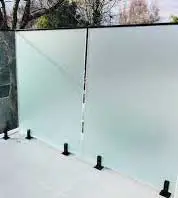
Frameless Glass Privacy Screens for Sophisticated Modern Spaces
A New Era of Open yet Private Design
Contemporary architecture increasingly values openness, light, and visual flow. However, privacy still remains essential in residential and commercial environments. Therefore, designers now seek solutions that protect personal space without closing it off. Frameless Glass Privacy Screens have emerged as a defining element in this design evolution. They allow uninterrupted views while subtly establishing boundaries. Consequently, spaces feel larger, brighter, and more refined.
At the same time, property owners demand materials that perform reliably and age gracefully. Solid walls often feel heavy, while traditional fencing disrupts aesthetics. As a result, transparent systems with minimal structure gain preference. Glass panels without visible frames answer this demand by blending seamlessly into their surroundings. Moreover, advances in engineering now make these systems both safe and durable.
Design Philosophy Behind Frameless Transparency
Minimalism drives the appeal of modern glass privacy solutions. Instead of relying on bulky supports, designers focus on clean lines and visual continuity. Therefore, frameless systems emphasize the environment rather than the barrier itself. This philosophy suits urban balconies, poolside areas, terraces, and interior partitions equally well.
Additionally, the absence of frames reduces visual clutter. As a result, architectural features, landscaping, or skyline views remain uninterrupted. Designers often use these systems to enhance luxury appeal while maintaining function. Consequently, frameless designs support both aesthetic ambition and practical needs in one solution.
Manufacturing Precision of Frameless Glass Privacy Screens
The production of Frameless Glass Privacy Screens begins with the selection of architectural-grade glass. Manufacturers typically choose tempered or laminated glass for strength and safety. During fabrication, panels are cut with high-precision equipment to exact measurements. Therefore, installation tolerances remain extremely tight.
Edges receive careful polishing to improve durability and touch safety. Afterward, optional treatments such as frosting, tinting, or digital printing are applied. These treatments integrate directly into the glass surface. Consequently, privacy features do not fade or peel over time. Rigorous quality inspections follow, ensuring consistency and compliance with safety standards.
Engineering Strength Without Visible Support
Structural engineering plays a critical role in frameless systems. Designers calculate wind loads, panel height, and exposure conditions in advance. Therefore, glass thickness and mounting hardware are selected accordingly.
Base channels, spigots, or recessed mounts anchor panels securely. These components distribute weight evenly while remaining visually discreet. As a result, the glass appears to float within the space. Controlled flexibility allows panels to absorb environmental stress without cracking. Consequently, strength and elegance coexist without compromise.
Professional Installation and Technical Accuracy
Installing frameless glass systems demands technical expertise. Installers begin by evaluating substrate strength and surface level. Therefore, preparation ensures long-term stability.
During installation, alignment receives meticulous attention. Panels must remain perfectly vertical and evenly spaced. Because margins are minimal, professional handling prevents stress points. As a result, the final installation delivers both safety and refined appearance. Precision at this stage directly influences performance and longevity.
Installation Methods and Architectural Integration
Several mounting options support different design goals. Surface-mounted base channels offer efficient installation and easy drainage. In contrast, recessed channels create a flush, minimalist finish. Therefore, architects select methods that align with design intent.
Additionally, frameless glass integrates smoothly with concrete, stone, and steel elements. This compatibility supports cohesive architectural language across spaces. Consequently, privacy solutions enhance rather than interrupt the overall design narrative.
Benefits of Frameless Glass Privacy Screens Over Traditional Solutions
Frameless Glass Privacy Screens offer clear advantages compared to solid walls or framed systems. Opaque barriers block light and limit openness. However, frameless glass preserves brightness while defining space. Therefore, environments feel more inviting and expansive.
Maintenance also becomes simpler. Glass does not warp, rot, or corrode. Unlike wood, it does not require sealing or painting. Consequently, long-term upkeep costs decrease. Visual consistency remains intact for years, which strengthens property value and appeal.
Enhancing Natural Light and Spatial Flow
Natural light improves comfort, productivity, and mood. Frameless glass allows daylight to penetrate deep into spaces. Therefore, reliance on artificial lighting decreases.
Spatial flow also improves because sightlines remain uninterrupted. As a result, even compact areas feel open. Designers often use this effect to maximize perceived space in dense urban settings. Consequently, frameless systems support both functional and emotional comfort.
Average Cost Considerations and Value Assessment
Pricing varies based on glass thickness, height, and installation complexity. Premium laminated glass and recessed mounting systems typically increase costs. However, simpler surface-mounted designs offer more accessible pricing.
Although initial investment may exceed traditional fencing, long-term value offsets this difference. Reduced maintenance and extended lifespan improve overall return. Therefore, budgeting becomes more predictable over time. Owners often view frameless systems as a long-term asset rather than a short-term expense.
Maintenance Requirements and Ease of Care
Maintenance routines remain straightforward. Regular cleaning with mild soap and water preserves clarity. Therefore, harsh chemicals are unnecessary.
Hardware components require occasional inspection to ensure secure anchoring. Because materials resist corrosion, repairs remain rare. Consequently, maintenance schedules stay minimal. Property managers appreciate the simplicity and reliability of these systems.
Durability and Performance in Diverse Environments
Durability defines the success of exterior installations. Tempered and laminated glass withstands temperature changes and wind exposure. Therefore, performance remains stable in varied climates.
Laminated options add extra resilience by holding fragments together upon impact. As a result, safety improves without sacrificing transparency. Properly engineered systems continue to perform reliably over many years.
Safety Standards and Regulatory Compliance of Frameless Glass Privacy Screens
Safety remains central to frameless glass design. Tempered glass breaks into small, blunt pieces, reducing injury risk. Laminated glass further enhances protection.
Manufacturers design these systems to comply with building codes and safety regulations. Therefore, they suit residential, commercial, and hospitality environments alike. Compliance protects both occupants and property owners.
Customization and Design Versatility of Frameless Glass Privacy Screens
Customization options expand design possibilities significantly. Frosted patterns, gradients, and tinted finishes enhance privacy. Therefore, designers tailor solutions to specific needs.
Glass height and panel width adjust easily to site requirements. As a result, frameless systems adapt to balconies, pools, staircases, and interiors. Versatility remains one of their strongest advantages.
Environmental Sustainability and Material Responsibility
Sustainability influences modern construction decisions. Glass remains fully recyclable, and manufacturers often use recycled content. Therefore, environmental impact decreases.
Long service life also reduces resource consumption. Unlike wood barriers, glass systems avoid chemical treatments. Consequently, frameless installations support responsible building practices.
Operational Efficiency for Property Owners
Low maintenance and durability improve operational efficiency. Owners spend less time and money on upkeep. Therefore, resources shift toward core property functions.
Consistent appearance and safety enhance tenant satisfaction. As a result, frameless systems contribute positively to long-term asset management.
Lifecycle Value Compared to Traditional Barriers with Frameless Glass Privacy Screens
Lifecycle analysis reveals strong performance advantages. While upfront costs appear higher, replacement cycles extend significantly.
Maintenance expenses remain low across decades. Therefore, total ownership cost often undercuts traditional solutions. Long-term planning becomes simpler and more reliable.
Applications Across Residential and Commercial Projects with Frameless Glass Privacy Screens
Frameless glass systems suit many environments. Residential balconies gain privacy without losing views. Pool areas benefit from wind protection and safety.
Commercial terraces and offices achieve refined separation. Consequently, these systems remain popular across industries and project scales.
Innovation Trends in Frameless Glass Systems
Innovation continues to refine frameless designs. Smart glass technology introduces adjustable opacity. Advanced coatings improve self-cleaning performance.
Mounting hardware evolves toward slimmer profiles with greater strength. As a result, future systems will offer even more elegance and efficiency.
Conclusion: The Lasting Appeal of Frameless Glass Privacy Screens
Frameless Glass Privacy Screens represent a refined balance of openness, safety, and durability. They elevate spaces without overwhelming them. Moreover, precise manufacturing and expert installation ensure reliable performance.
By combining transparency with strength, these systems deliver long-term value. Therefore, they remain a preferred choice for forward-looking architectural projects.
Looking For matching gate? click here
Looking for Railings? click here
Reviews
There are no reviews yet.