
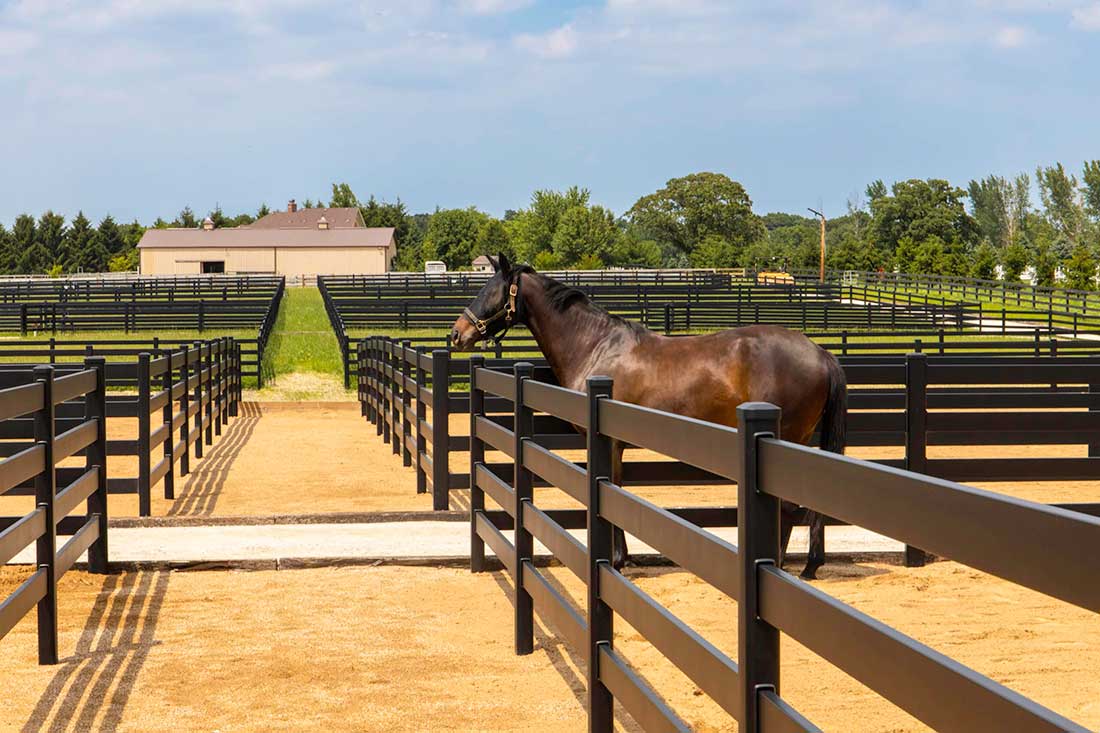
Aluminum Horse Fence Manufacturing and Professional Installation Excellence
Industry Overview and Modern Standards
Equine property owners increasingly demand fencing systems that combine safety, visual harmony, and operational efficiency. Consequently, modern equestrian fencing has evolved beyond traditional materials. Manufacturing innovations have therefore introduced lightweight metals, precision engineering, and architectural finishes that meet both rural and upscale estate expectations. Moreover, professional installation practices have advanced, ensuring consistent alignment, ground stability, and long-term performance. As a result, aluminum-based fencing solutions have become a strategic investment for breeders, trainers, and private owners alike.
While timber and synthetic options still exist, performance benchmarks have shifted. Durability, predictable costs, and minimal upkeep are now prioritized. Additionally, manufacturing quality control has improved tolerances, which leads to uniform rails, secure joints, and enhanced safety for horses. Therefore, selecting the right fencing system now involves understanding fabrication processes as much as installation expertise.
Precision Manufacturing of the Aluminum Horse Fence
Manufacturing an Aluminum Horse Fence begins with high-grade aluminum alloys selected for tensile strength and corrosion resistance. During fabrication, rails and posts are extruded with reinforced internal chambers, which increases load-bearing capacity without unnecessary weight. Furthermore, powder-coated finishes are applied electrostatically, ensuring even coverage and long-lasting color stability.
Each component is produced under strict dimensional standards. As a result, on-site fitting becomes efficient and accurate. Additionally, welded or routed connections are tested for impact resistance, reducing the risk of failure under pressure. Manufacturing consistency also supports scalable installations, whether for small paddocks or expansive training facilities. Consequently, the finished system delivers both functional reliability and refined appearance.
Engineering Benefits of the Aluminum Horse Fence
An Aluminum Horse Fence offers measurable advantages when compared with wood and vinyl alternatives. Unlike wood, aluminum does not warp, splinter, or attract insects. Therefore, the risk of injury to horses is significantly reduced. Vinyl, while visually clean, often becomes brittle in extreme temperatures; aluminum maintains structural integrity across climate variations.
Moreover, aluminum fencing provides superior strength-to-weight ratios. This characteristic allows for longer rail spans without sagging. Additionally, surface finishes resist fading and chalking, which preserves property aesthetics. As a result, owners benefit from a fencing system that remains stable, safe, and visually consistent for decades.
Why Aluminum Outperforms Wood and Vinyl in Equestrian Settings
Wood fencing demands frequent sealing, painting, and replacement of damaged boards. Consequently, long-term ownership costs rise steadily. Vinyl fencing, although low maintenance initially, may crack or discolor over time, especially under UV exposure. In contrast, aluminum fencing systems require minimal intervention.
Furthermore, aluminum does not absorb moisture. Therefore, mold growth and rot are eliminated. Impact resilience is also higher, which protects against leaning or pushing by large animals. Additionally, aluminum systems meet strict safety guidelines, making them suitable for professional equestrian facilities. As expectations increase, aluminum consistently proves to be the most reliable option.
Cost Efficiency and Long-Term Value of the Aluminum Horse Fence
From a financial perspective, the Aluminum Horse Fence delivers exceptional value. Initial installation costs typically range from moderate to premium, depending on rail configuration and site conditions. However, lifecycle expenses remain significantly lower than wood or vinyl alternatives.
Because repainting, board replacement, and pest treatment are unnecessary, annual maintenance budgets decrease. Additionally, aluminum fencing retains resale value, which positively affects property valuation. Therefore, while upfront investment may appear higher, total cost of ownership is optimized over time.
Professional Installation Standards and Site Preparation
Installing an Aluminum Horse Fence requires precise planning and execution. Site grading, post spacing, and anchoring depth are calculated based on soil composition and expected load. Consequently, professional installers utilize laser alignment and reinforced footings to ensure consistent fence lines.
Moreover, modular design allows sections to be assembled efficiently on-site. This reduces installation time without compromising accuracy. Additionally, proper installation prevents rail movement and post shifting, even under repeated impact. Therefore, professional expertise directly influences performance and longevity.
Maintenance Advantages and Operational Simplicity
Maintenance of an Aluminum Horse Fence is intentionally minimal. Periodic rinsing with water removes dust and organic residue. Therefore, no specialized cleaning agents are required. Hardware inspections are straightforward, and components rarely need adjustment.
Unlike wood, there is no need for staining or sealing. Unlike vinyl, surface integrity remains intact through seasonal temperature changes. Consequently, property managers save time and labor costs. Additionally, reduced maintenance interruptions mean horses remain safely contained without frequent repairs.
Durability, Safety, and Environmental Responsibility
The Aluminum Horse Fence is engineered for long-term durability. Aluminum naturally forms a protective oxide layer, which prevents corrosion. As a result, performance remains consistent in coastal, humid, or arid environments.
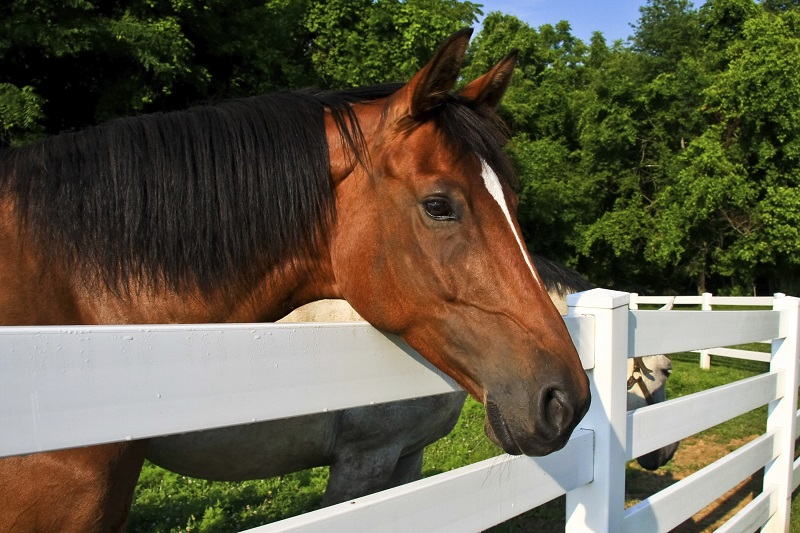
Safety is also enhanced through smooth surfaces and rounded edges. Therefore, the likelihood of cuts or abrasions is minimized. Furthermore, aluminum is fully recyclable. Manufacturing scrap and end-of-life components can be reprocessed, which supports sustainable construction practices. Consequently, aluminum fencing aligns with modern environmental standards.
Design Versatility and Property Enhancement
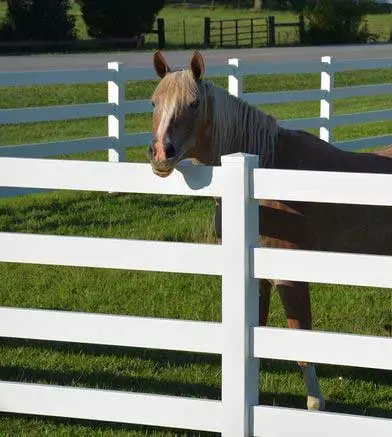
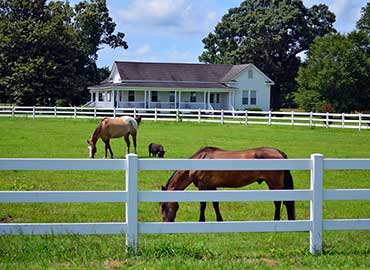
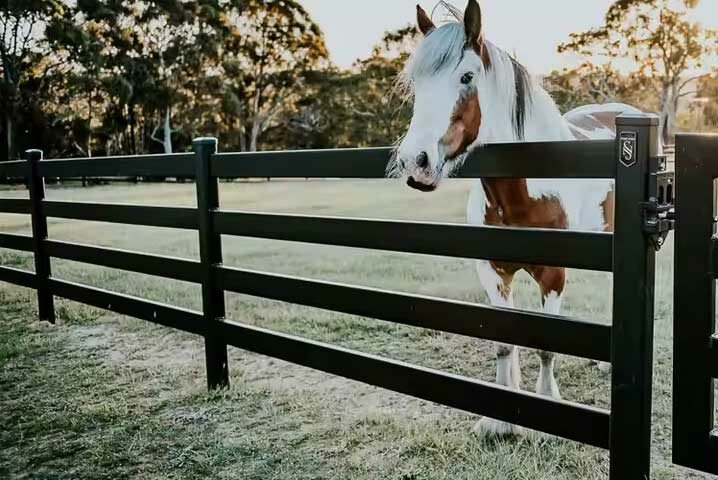
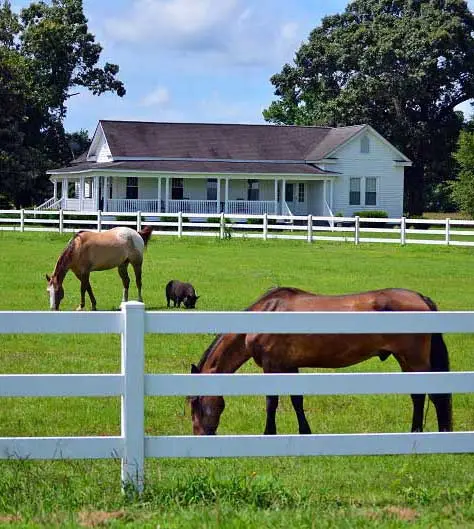
Design flexibility further distinguishes aluminum fencing systems. Multiple rail heights, post caps, and color finishes are available. Therefore, installations can complement both traditional farms and luxury equestrian estates. Additionally, fencing layouts can be adapted for arenas, paddocks, or perimeter boundaries.
A cohesive fencing design enhances curb appeal and establishes professional credibility. As a result, facilities present a polished image to clients, trainers, and visitors. Moreover, uniform fencing lines contribute to organized land use and improved traffic flow for horses.
Strategic Investment for Modern Equestrian Facilities
Choosing aluminum fencing represents a strategic decision grounded in performance, safety, and long-term value. Manufacturing precision, professional installation, and minimal maintenance combine to create a superior fencing solution. Consequently, equestrian property owners gain predictable costs and reliable containment.
As industry standards continue to evolve, aluminum fencing remains aligned with modern expectations. Therefore, investing in this solution supports operational efficiency and property enhancement simultaneously.
Looking For matching gate? click here
Looking for Railings? click here
Reviews
There are no reviews yet.