
Aluminum Glass Privacy Screens for Contemporary Architecture and Outdoor Living
The Rise of Modern Privacy Solutions in Architectural Design
Urban density, evolving lifestyles, and contemporary design preferences have reshaped how privacy is achieved in both residential and commercial spaces. As a result, solid walls and opaque barriers no longer satisfy aesthetic or functional expectations. Instead, designers now favor solutions that allow light, openness, and visual balance. Therefore, advanced screening systems have gained strong momentum across global markets.
At the same time, property owners expect materials that deliver longevity, safety, and cost efficiency. Traditional options often fail to meet these combined requirements. Consequently, innovative materials and hybrid designs now dominate architectural planning. Among these solutions, transparency paired with structural strength has become highly desirable. This shift has encouraged the adoption of refined privacy systems that complement modern environments rather than closing them off.
Understanding Aluminum Glass Privacy Screens in Modern Spaces
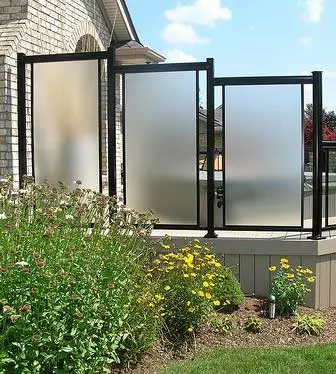
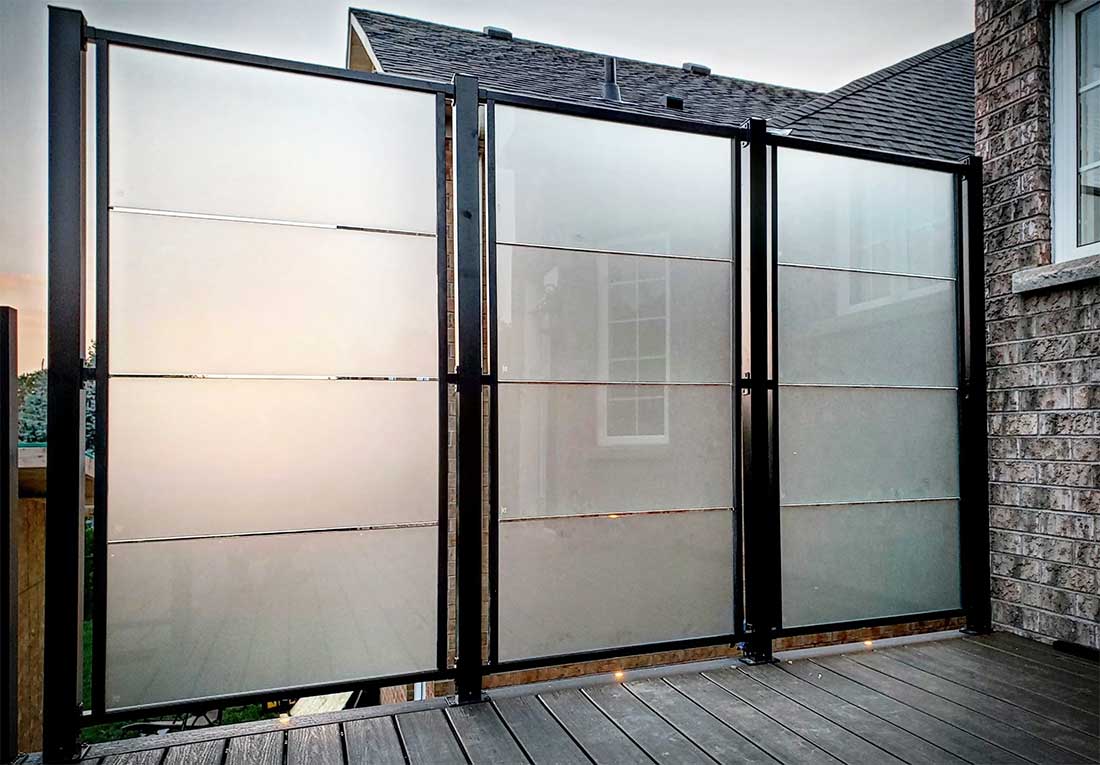
Aluminum Glass Privacy Screens offer a balanced combination of structural support and visual sophistication. Aluminum framing provides strength, while glass panels maintain openness. Together, these materials create a privacy solution that feels light yet performs reliably. Because of this balance, such systems integrate seamlessly into modern architecture.
Moreover, these screens serve multiple functions simultaneously. They define boundaries, reduce wind exposure, and enhance safety without blocking natural light. Therefore, balconies, patios, rooftops, and commercial terraces benefit significantly. Designers also value the clean lines and adaptability of these systems. As a result, they have become a preferred choice in contemporary projects.
Manufacturing Standards and Material Selection of Aluminum Glass Privacy Screens
Manufacturing begins with high-grade aluminum alloys selected for strength and corrosion resistance. These alloys are extruded into precise profiles that support glass panels securely. During this stage, dimensional accuracy is prioritized. Therefore, consistency across components is achieved.
Glass panels are produced separately using tempered or laminated glass. These types are chosen for impact resistance and safety. Edges are polished carefully, which improves both durability and appearance. Afterward, aluminum components receive powder-coated finishes. This coating protects against oxidation and fading. As a result, finished products meet strict quality benchmarks before leaving the factory.
Engineering Principles Behind Structural Performance of Aluminum Glass Privacy Screens
Engineering precision determines how well these privacy systems perform over time. Load calculations account for wind pressure, panel height, and installation location. Therefore, aluminum profiles are designed to distribute stress evenly.
Glass thickness is selected based on exposure conditions. Laminated glass enhances safety by holding fragments together if breakage occurs. Meanwhile, mounting systems allow controlled movement to accommodate thermal expansion. Consequently, structural integrity remains stable across seasonal changes. These engineering principles ensure long-term reliability without compromising visual appeal.
Professional Installation and Site Preparation of Aluminum Glass Privacy Screens
Installing privacy screening systems requires careful planning. Site conditions, surface materials, and load-bearing capacity are assessed in advance. Therefore, installers determine the most suitable anchoring method.
During installation, aluminum frames are aligned precisely to maintain straight lines. Glass panels are then fitted securely using engineered clamps or channels. Because tolerances are minimal, professional handling ensures proper placement. As a result, the final installation appears seamless and performs as intended.
Installation Methods and Design Flexibility of Aluminum Glass Privacy Screens
Several installation approaches are available to suit different design goals. Surface-mounted systems allow faster installation and easier future adjustments. In contrast, recessed channel installations create a minimalist appearance. Therefore, architectural intent guides system selection.
Additionally, these screens integrate well with concrete, timber, and steel structures. This adaptability supports cohesive design across multiple zones. As a result, privacy elements enhance rather than disrupt spatial flow. Flexibility remains a key advantage throughout the design process.
Benefits of Aluminum Glass Privacy Screens Over Traditional Barriers
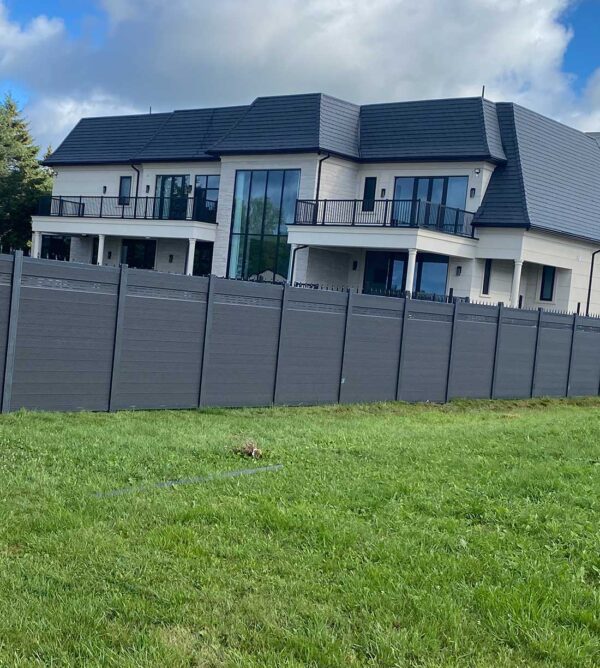
Aluminum Glass Privacy Screens provide clear advantages over conventional fencing and walls. Solid barriers block light and reduce openness. In contrast, glass panels preserve brightness while maintaining separation. Therefore, spaces feel larger and more inviting.
Aluminum framing resists rust, warping, and decay. Unlike wood, it does not require chemical treatments. Consequently, maintenance demands decrease significantly. Visual consistency also remains intact for years. These combined benefits make aluminum-glass systems superior in modern applications.
Durability in Challenging Environmental Conditions
Environmental exposure challenges all exterior structures. However, aluminum resists corrosion naturally, especially when powder coated. Therefore, coastal and humid environments pose minimal risk.
Glass panels withstand temperature fluctuations without deforming. Laminated options add resilience against impact. As a result, durability remains consistent in diverse climates. Long service life reduces replacement frequency and overall costs.
Average Cost and Budget Considerations
Pricing varies depending on glass type, thickness, and installation complexity. Frameless designs typically involve higher costs due to specialized hardware. Aluminum-framed systems, however, offer a balanced cost-to-performance ratio.
Although initial investment may exceed that of basic fencing, long-term savings become evident. Reduced maintenance and extended lifespan offset upfront expenses. Therefore, total ownership cost remains competitive over time.
Maintenance Requirements and Long-Term Care
Maintenance routines remain simple and efficient. Glass surfaces require periodic cleaning using mild solutions. Therefore, clarity and appearance are easily maintained.
Aluminum frames need minimal attention beyond occasional inspection. Powder-coated finishes resist fading and peeling. Consequently, maintenance schedules are short and predictable. Property managers benefit from reduced labor and lower upkeep costs.
Safety Features and Compliance Standards
Safety remains a priority in privacy screen design. Tempered glass breaks into small, blunt fragments, reducing injury risk. Laminated glass adds further protection by retaining fragments.
Aluminum framing provides stable support, preventing panel displacement. These systems comply with building codes for residential and commercial use. Therefore, safety standards are consistently met across applications.
Aesthetic Value and Architectural Enhancement
Visual appeal plays a critical role in modern developments. Aluminum and glass create a sleek, contemporary look. Therefore, properties gain a refined appearance.
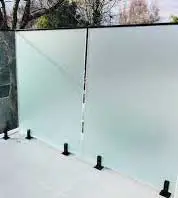
Customization options include frosted, tinted, or patterned glass. Aluminum finishes range from neutral tones to bold colors. As a result, designers achieve unique visual identities while maintaining functionality.
Sustainability and Environmental Responsibility
Sustainability influences material selection increasingly. Aluminum is fully recyclable without quality loss. Glass can also be recycled efficiently. Therefore, environmental impact is reduced at end of life.
Long service life further minimizes resource consumption. Unlike wood, these systems do not require ongoing chemical treatments. Consequently, sustainable building goals are supported effectively.
Operational Efficiency for Property Owners
Operational efficiency improves when maintenance demands decrease. Aluminum and glass systems remain stable without frequent intervention. Therefore, property managers allocate resources more effectively.
Long-term performance ensures consistent safety and appearance. As a result, these systems contribute positively to asset management strategies.
Comparative Lifecycle Value
Lifecycle analysis highlights the economic advantages of aluminum-glass systems. While initial costs may be higher, replacement cycles extend significantly.
Maintenance expenses remain low throughout the lifespan. Therefore, overall value surpasses many traditional alternatives. Long-term planning becomes more predictable and secure.
Strategic Applications Across Residential and Commercial Projects
These privacy systems suit a wide range of applications. Residential balconies, pool areas, and gardens benefit from enhanced comfort. Commercial terraces and office spaces gain refined separation.
Design adaptability ensures relevance across industries. Consequently, architects and developers continue to specify aluminum-glass solutions for future projects.
Innovation Trends in Privacy Screen Design
Ongoing innovation continues to refine these systems. Smart glass technology introduces adjustable transparency. Advanced coatings improve self-cleaning properties.
Aluminum profiles evolve to support slimmer designs without sacrificing strength. As a result, future installations will offer even greater performance and design freedom.
Conclusion: Long-Term Value of Aluminum Glass Privacy Screens
Aluminum Glass Privacy Screens represent a forward-looking approach to privacy and design. They combine strength, transparency, and durability into a cohesive solution. Moreover, manufacturing precision and professional installation ensure reliable results.
By delivering aesthetic appeal, safety, and low maintenance, these systems provide lasting value. Therefore, they remain a strategic investment for modern architectural environments.
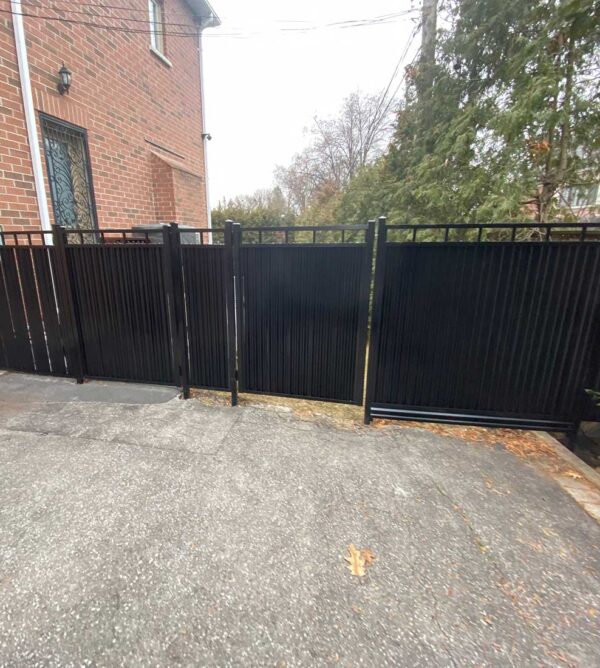
Looking For matching gate? click here
Looking for Railings? click here
Reviews
There are no reviews yet.