
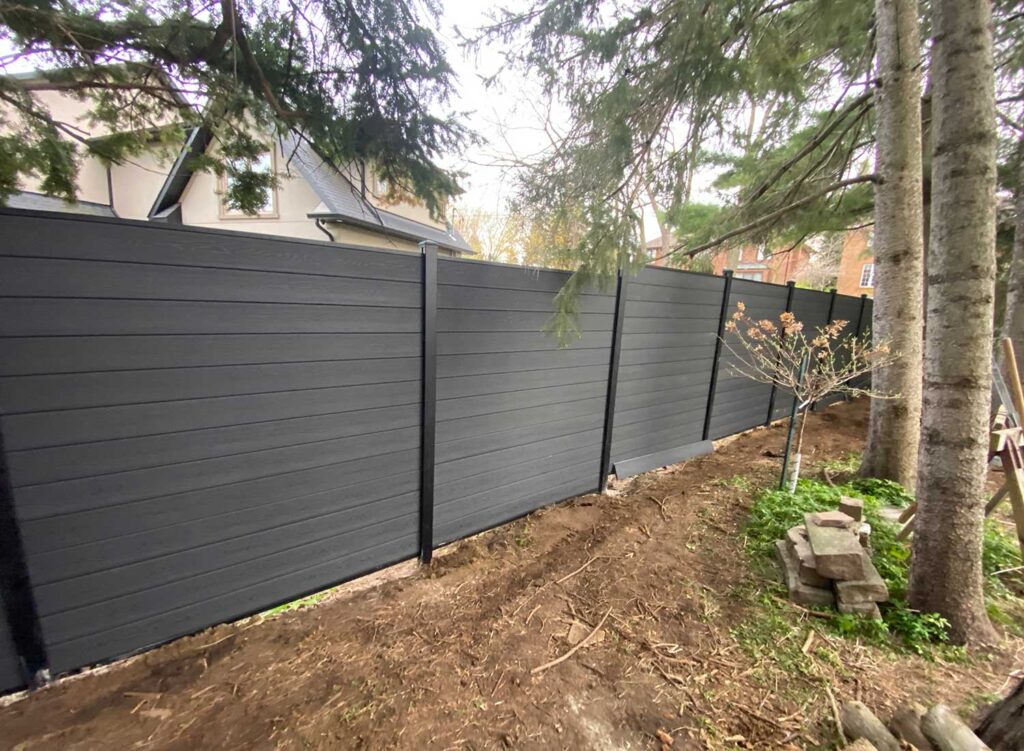
Composite Privacy Screens


Composite Privacy Screens: Durable, Stylish, and Practical Solutions for Modern Living
Introduction to Composite Privacy Screens in Contemporary Design
Privacy has become a core requirement in modern residential and commercial environments. As properties grow closer together, people seek solutions that offer separation without sacrificing comfort or aesthetics. Composite Privacy Screens have emerged as a leading option because they combine visual appeal with dependable performance. They provide structure and privacy while blending naturally into both urban and outdoor settings.
At the same time, designers and property owners demand materials that reduce maintenance and last for many years. Traditional wood fencing often struggles to meet these expectations. Therefore, composite materials now play a central role in privacy design. By combining natural fibers with advanced polymers, composite screens deliver balance between beauty and durability.
Buy Direct from Canada’s Largest Fence and Railing Manufacturer & Distributor
Our Other Fence Options:
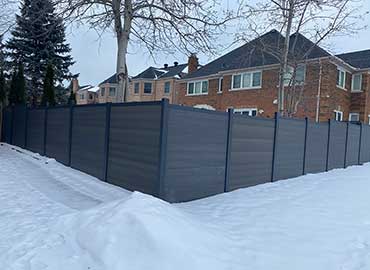
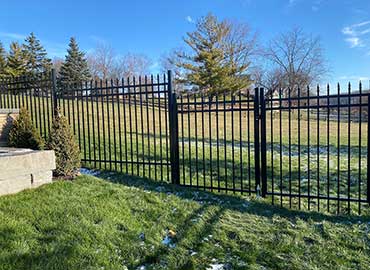
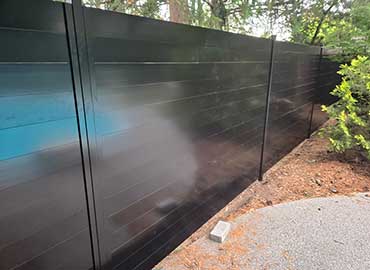
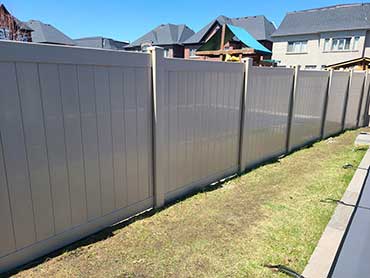
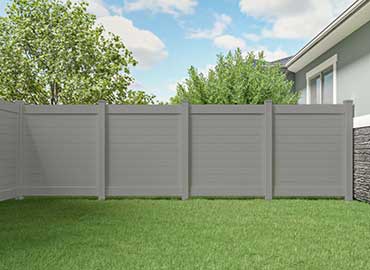
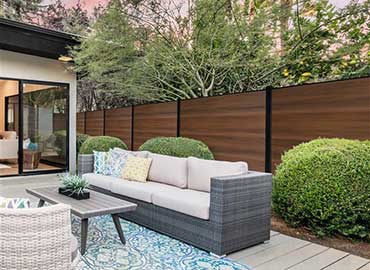
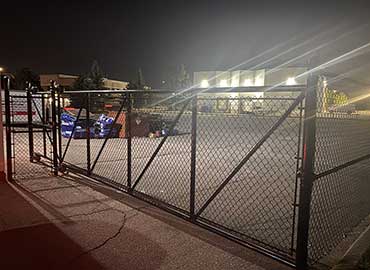
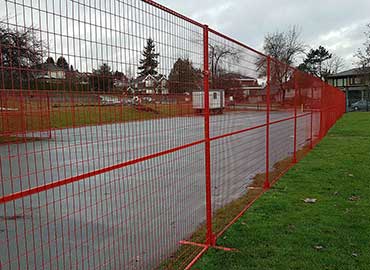
Team
Our representatives and installers are seasoned professionals with years of expertise.
Process
Effortless and swift contract process for your convenience.
Quality
We utilize premium-grade aluminum and glass of the highest caliber, ensuring exceptional durability and refined aesthetics.
Architecturally Sound
Our fencing solutions bear the hallmark of engineer-endorsed precision, meticulously crafted to align with stringent architectural railing standards. This distinction ensures an unequivocal guarantee of seamless compliance with regulatory inspections—provided the installation adheres to the prescribed guidelines.
Process of getting your work done:
1. Contact Us
Provide us with details such as the type of railings you require and your location.
2. Request a quote.
Our sales representative can visit your property to take precise measurements and offer an accurate price estimate.
3. Finalize the agreement.
If you're satisfied with the estimate and ready to proceed with the contract, we ensure a fast and hassle-free process.
4. We visit to take measurements.
At Toronto Fences, every fence & railing is uniquely crafted to perfectly suit your property.
5. We manufacture
Our production team will begin crafting your stunning railings to your specifications.
6. We install!
After we manufactured your fence or railings, our office will give you a call and setup an installation date!
Elevate your space with our exquisite selection
Move arrow to left or right to see before and after


Contat For Free Quote
What Are Composite Privacy Screens and Why They Matter
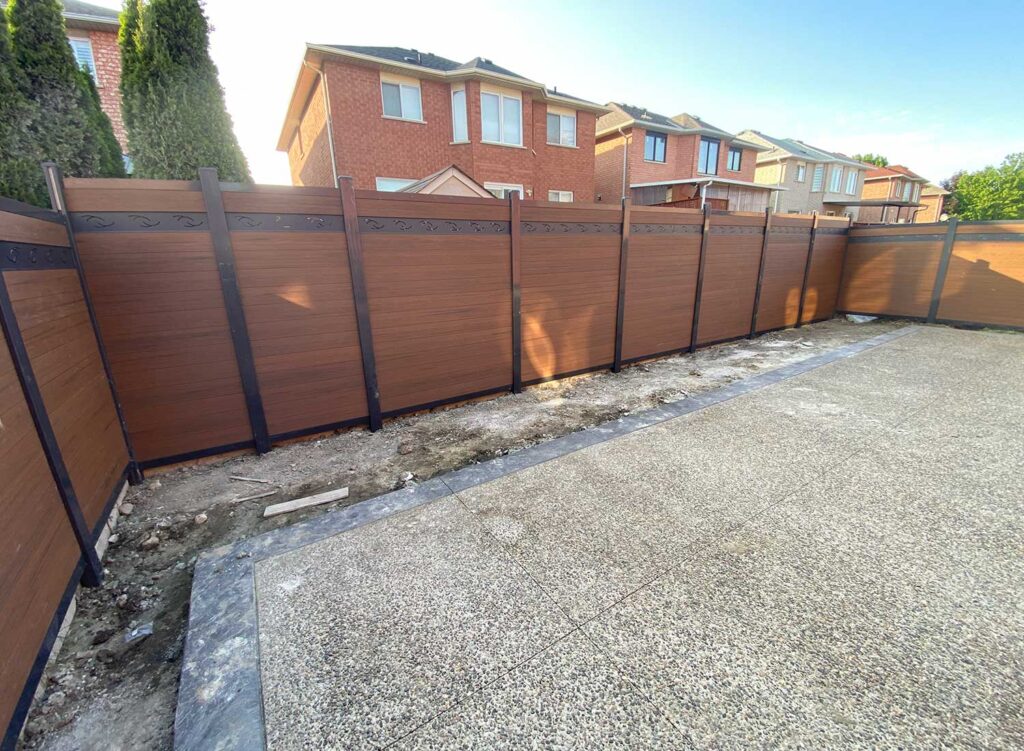
Composite Privacy Screens consist of engineered materials made from recycled plastics and wood fibers. This blend creates panels that resemble timber while avoiding many of its weaknesses. As a result, these screens offer consistent strength, moisture resistance, and color stability.
Moreover, composite panels support a wide range of designs. Solid boards provide complete privacy, while slatted or patterned styles allow partial visibility. Therefore, composite privacy systems adapt easily to different functional needs. Their versatility explains why they now appear in residential gardens, commercial courtyards, and shared outdoor spaces.
The Growing Role of Composite Privacy Screens in Outdoor Spaces
Outdoor areas demand privacy solutions that withstand constant exposure to weather. Composite Privacy Screens perform exceptionally well in these conditions. They resist moisture, insects, and temperature changes more effectively than natural wood.
Outdoor Privacy Screens also need to enhance comfort. Composite panels block unwanted views while maintaining a warm, natural appearance. Consequently, patios, decks, and pool areas feel more inviting. These qualities make composite materials a preferred choice for long-term outdoor applications.
Manufacturing Process and Material Innovation
Manufacturers create composite panels by blending recycled polymers with organic fibers. This mixture forms a dense, uniform material with predictable performance. During production, panels are molded or extruded into precise shapes. Therefore, consistency remains high across batches.
Color pigments integrate throughout the material rather than sitting on the surface. As a result, scratches and wear remain less noticeable. Advanced manufacturing techniques also improve UV resistance. Consequently, composite privacy screens retain their appearance for years without frequent refinishing.
Engineering Strength and Structural Stability
Engineering plays a critical role in the reliability of Composite Privacy Screens. Panel thickness, internal structure, and reinforcement determine load-bearing capacity. Designers calculate spacing and support requirements carefully. Therefore, screens remain stable under wind and daily use.
Unlike wood, composite materials do not split or warp. This stability reduces stress on mounting systems. As a result, composite privacy installations maintain alignment and integrity over time. Structural reliability supports long-term performance across diverse environments.
Design Flexibility and Visual Appeal
Composite materials offer impressive design flexibility. Panels can mimic natural wood grain or adopt smooth, modern finishes. Therefore, they suit both traditional and contemporary architecture.
Color options range from warm earth tones to sleek neutral shades. Because pigments run through the material, fading occurs slowly. Designers also appreciate the ability to mix panel orientations. Horizontal and vertical layouts create distinct visual effects. Consequently, composite privacy screens function as design elements rather than simple barriers.
Benefits of Composite Privacy Screens Over Traditional Wood
Wood fencing often requires frequent staining, sealing, and replacement. In contrast, Composite Privacy Screens eliminate many of these concerns. They resist rot, insects, and moisture damage. Therefore, long-term upkeep becomes significantly easier.
Additionally, composite panels maintain uniform appearance. Natural wood varies in grain and color, which can lead to uneven aging. Composite materials avoid this issue. As a result, privacy screens retain consistent aesthetics across the entire installation.
Durability in Diverse Climate Conditions
Durability defines the true value of privacy solutions. Composite materials handle extreme temperatures well. They do not swell in humid conditions or crack in dry climates. Therefore, performance remains reliable year-round.
UV stabilizers protect panels from sun damage. Consequently, surface fading occurs gradually rather than abruptly. These features ensure that composite privacy screens continue to perform and look good despite prolonged outdoor exposure.
Average Cost and Budget Planning
Pricing for Composite Privacy Screens depends on panel size, design complexity, and installation method. On average, composite systems cost more than untreated wood but less than premium aluminum or glass solutions.
Although upfront costs may appear higher, long-term savings offset the initial investment. Reduced maintenance and extended lifespan lower overall ownership expenses. Therefore, composite privacy screens often provide excellent value for budget-conscious projects.
Maintenance Requirements and Ease of Care
Maintenance remains one of the strongest advantages of composite materials. Routine cleaning with water removes dirt and debris. Therefore, harsh chemicals or specialized treatments are unnecessary.
Unlike wood, composite panels do not require staining or sealing. Hardware inspections ensure fasteners remain secure. Because material degradation occurs slowly, repairs remain rare. Consequently, property owners enjoy predictable, low-effort upkeep.
Safety and Family-Friendly Performance
Safety considerations influence material selection, especially in residential environments. Composite panels feature smooth surfaces without splinters. Therefore, they suit family-friendly spaces.
Structural stability also enhances safety. Panels resist sudden breakage under pressure. As a result, composite privacy screens provide reliable protection without introducing hazards. These characteristics support use around pools, gardens, and play areas.
Environmental Sustainability and Responsible Design
Sustainability has become a major factor in modern construction. Composite Privacy Screens often incorporate recycled materials. This approach reduces waste and supports circular manufacturing practices.
Long service life further enhances sustainability. Fewer replacements mean lower resource consumption over time. Unlike treated wood, composite materials avoid chemical preservatives. Consequently, they align well with environmentally responsible building goals.
Comparing Composite Privacy Screens to Aluminum and Glass
Aluminum screens offer strength and modern aesthetics but may feel industrial in some settings. Glass screens preserve openness but command higher costs. Composite Privacy Screens balance warmth, durability, and affordability effectively.
Composite materials also provide better sound absorption than metal or glass. This feature enhances comfort in dense neighborhoods. Therefore, composite privacy solutions often suit residential environments particularly well.
Customization Options for Unique Projects
Customization elevates composite privacy systems beyond standard fencing. Panel heights adjust to match privacy requirements. Therefore, designers control sightlines precisely.
Decorative inserts, planters, and lighting integrate easily with composite structures. As a result, screens become multifunctional features. Custom layouts support creative expression while maintaining practical performance.
Residential Applications of Composite Privacy Screens
Homes benefit greatly from Composite Privacy Screens. Backyard boundaries gain separation without sacrificing aesthetics. Patios feel more intimate and comfortable.
Outdoor Privacy Screens also improve poolside safety and privacy. Gardens achieve defined zones while retaining a natural look. Therefore, homeowners enjoy enhanced usability across outdoor living areas.
Commercial and Shared Space Uses
Commercial properties also rely on composite privacy solutions. Restaurants create secluded outdoor dining areas. Offices define terraces and break zones.
Shared residential developments use composite screens to separate communal spaces. As a result, privacy improves without heavy construction. The neutral appearance of composite materials supports diverse design contexts.
Installation Process and Practical Considerations
Installation begins with site assessment. Installers evaluate ground conditions and support requirements. Therefore, post spacing and anchoring methods align with project needs.
Composite panels attach to metal or composite posts securely. Lightweight components simplify handling. As a result, installation progresses efficiently with minimal disruption. This efficiency benefits both contractors and property owners.
Outdoor Privacy Screens and Weather Adaptability
Outdoor Privacy Screens face constant environmental exposure. Composite materials handle rain, sun, and temperature changes effectively. Therefore, designers trust composite privacy screens for exterior projects.
Moisture resistance prevents swelling and rot. Wind loads distribute evenly across panels. Consequently, outdoor composite screens remain stable and functional year after year.
Lifecycle Value and Long-Term Performance
Lifecycle analysis highlights the economic strength of composite materials. While initial investment exists, replacement cycles extend significantly.
Maintenance savings accumulate over time. Therefore, total ownership cost compares favorably with traditional materials. Long-term performance reinforces composite privacy screens as a sound, future-oriented choice.
Innovation Trends in Composite Privacy Screens
Innovation continues to enhance composite technology. Improved fiber blends increase strength and reduce weight. Advanced coatings enhance stain resistance.
Manufacturers also develop modular systems for easier expansion. As a result, composite privacy screens evolve alongside modern design trends. Future developments will likely emphasize sustainability and customization further.
Choosing Composite Privacy Screens for Your Project
Selecting the right privacy solution requires careful evaluation. Composite Privacy Screens suit projects that demand low maintenance, natural appearance, and durability.
Environmental conditions, design goals, and budget guide the decision process. Composite materials deliver consistent performance across all criteria. Therefore, they remain a reliable option for diverse applications.
Conclusion: The Lasting Value of Composite Privacy Screens
Composite Privacy Screens combine practicality, durability, and visual appeal into a single solution. They address modern privacy needs while reducing maintenance demands. Moreover, their sustainable composition supports responsible construction.
By enhancing both indoor and outdoor environments, composite privacy screens deliver long-term value. Therefore, they continue to shape contemporary approaches to comfortable, private, and well-designed spaces.
Looking for Deck Railings to match?
Looking for Aluminum Fence to match?
Looking for Chainlink Fence to match?
Looking for Composite Fence to match?
Looking for Railings to match?
Looking for Pergola to match?
Looking for Vinyl Fence to match?
Looking for Privacy Screens to match?
Looking for Aluminum Railings to match?
Looking for Glass Railings to match?
Looking for Porch Railings to match?
Looking for Pool Railings to match?