
Basement Railing
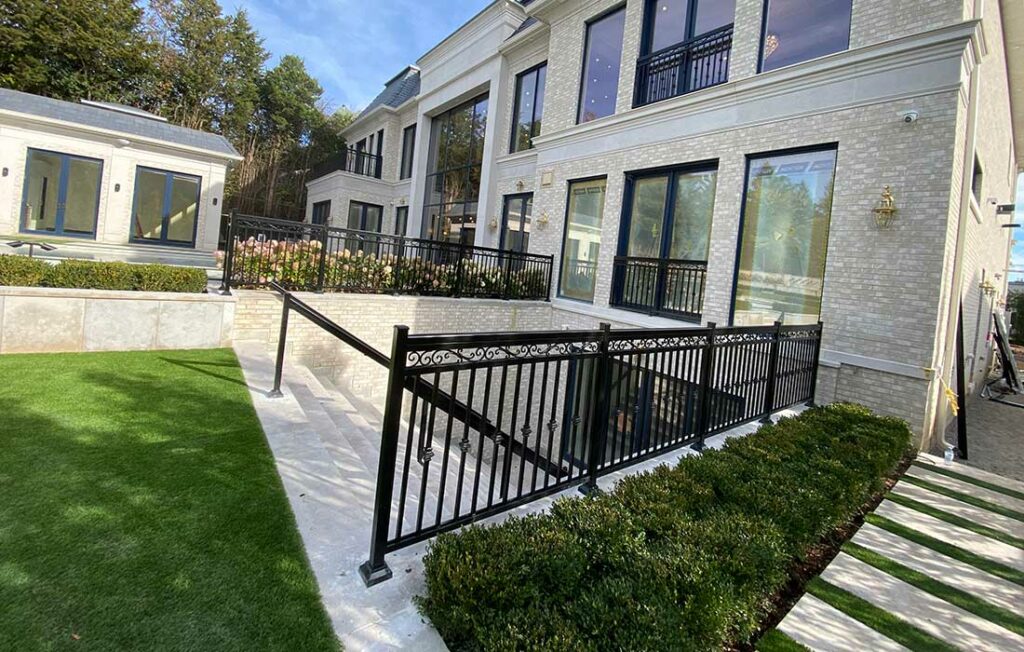
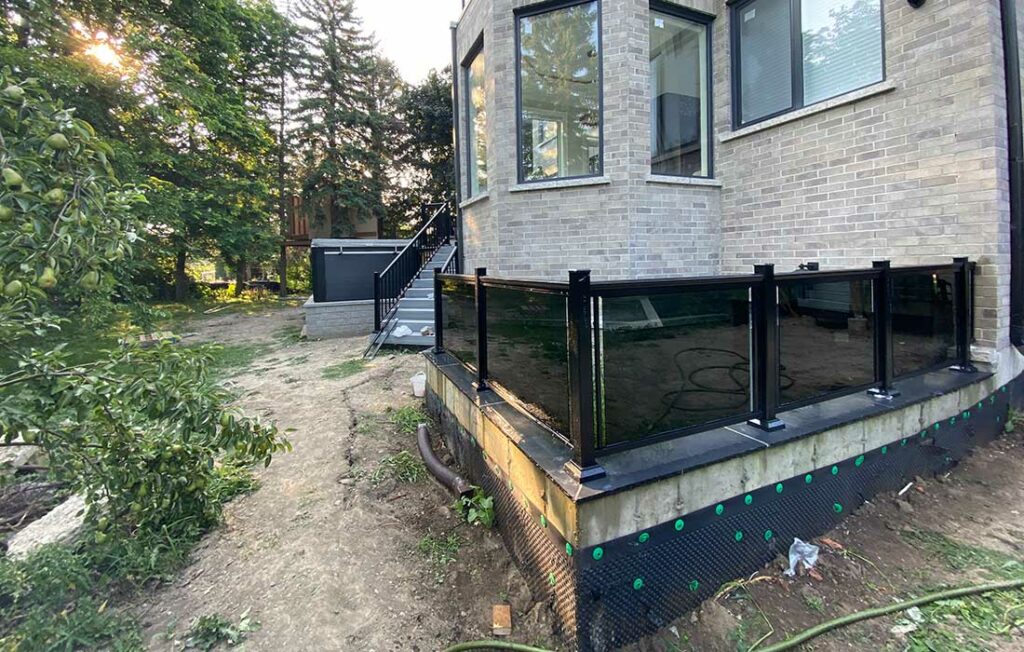
Basement Railing: A Complete Guide to Style, Safety, and Long-Term Value
A well-designed Basement Railing can transform an ordinary lower level into a safe, stylish, and functional living space. Although basements were once treated as purely utility areas, modern homes now use them as entertainment rooms, guest suites, home gyms, or rental units. Therefore, railings in these spaces play a much larger role than before. They support safety, enhance visual flow, and add measurable value to the property. Moreover, the right railing design connects the basement seamlessly with the rest of the home.
In this comprehensive guide, you will learn about benefits, durability, maintenance, design ideas, and the different types available today. Additionally, you will discover how to choose a solution that fits both your lifestyle and long-term goals.
Why Basement Railing Matters in Modern Homes
A basement often includes stairs, split levels, or open edges. Because of this, railings become essential. They guide movement, reduce fall risks, and provide a sense of structure. At the same time, they influence how spacious or enclosed the basement feels.
Furthermore, a thoughtfully chosen Basement Railing helps define zones without closing off the area. For example, a glass railing can separate a stairwell from a media room while still allowing light to pass through. As a result, the basement feels brighter and more open.
Beyond function, railings also support design consistency. When the basement railing matches or complements the upper-level railing, the entire home feels intentional and well planned.
Key Benefits of Installing a Basement Railing
Improved Safety and Stability
First and foremost, safety remains the primary benefit. Railings provide physical support on stairs and platforms. Consequently, children, seniors, and guests move with greater confidence. In addition, sturdy railings reduce the risk of accidents in low-light conditions, which are common in basements.
Enhanced Visual Appeal
While safety matters, appearance should not be ignored. A modern Basement Railing can elevate the look of the space instantly. For instance, sleek metal or glass options create a contemporary vibe. Meanwhile, wood or composite designs add warmth and character.
Increased Property Value
Basement renovations often yield strong returns. When high-quality railings are included, buyers notice the attention to detail. As a result, the home appears more polished and move-in ready. Moreover, compliant railings signal that the space was finished properly.
Better Space Definition
Railings act as visual boundaries. However, unlike walls, they maintain openness. Therefore, you can separate a stairwell, seating area, or workspace without making the basement feel cramped.
Basement Railing and Building Code Considerations
Before choosing a style, local building codes must be considered. In most regions, railing height, spacing, and load requirements are regulated. Although these rules may seem restrictive, they actually ensure long-term safety.
Typically, basement railings must meet minimum height standards and resist horizontal force. Additionally, baluster spacing is limited to prevent children from slipping through. Because codes vary by location, consulting a professional installer is always wise.
By following regulations from the start, you avoid costly changes later. More importantly, you gain peace of mind knowing the railing performs as intended.
Popular Types of Basement Railing Systems
Metal Basement Railing Options
Metal railings are widely used in modern basements. They offer clean lines, high strength, and minimal maintenance. Aluminum and steel are the most common choices. Aluminum resists corrosion, making it ideal for damp environments. Steel, on the other hand, provides a heavier and more industrial look.
Because of their durability, metal railings work well in high-traffic basements. Furthermore, powder-coated finishes allow for color customization without sacrificing longevity.
Glass Basement Railing Systems
Glass railings are increasingly popular for contemporary interiors. They maximize light flow and create a sense of openness. As a result, smaller basements feel larger and brighter.
A Basement Railing made with tempered glass also delivers excellent safety. The panels are strong and resistant to impact. Additionally, they pair beautifully with metal or wood handrails for a balanced design.
Wood Basement Railing Designs
Wood railings bring warmth and tradition to basement spaces. They work especially well in homes with classic or rustic interiors. Oak, maple, and pine are common materials.
Although wood requires more maintenance, many homeowners appreciate its timeless appeal. With proper sealing and care, a wooden basement railing can last for decades.
Cable and Hybrid Railing Systems
Cable railings use stainless steel cables instead of vertical balusters. This design feels modern and unobtrusive. Because cables allow visibility, they maintain openness while still meeting safety standards.
Hybrid systems combine materials such as wood posts with metal infill or glass panels. Consequently, they offer design flexibility and unique visual interest.
Choosing the Right Basement Railing for Your Space
Selecting the right Basement Railing depends on several factors. First, consider how the basement will be used. A family playroom may benefit from solid panels, while a home theater might prefer glass for visual flow.
Next, evaluate lighting conditions. If natural light is limited, transparent or open designs help prevent a closed-in feeling. Conversely, if privacy is important, solid or frosted options may work better.
Budget also plays a role. While glass and custom metal systems cost more upfront, they often require less maintenance over time. Therefore, long-term value should be weighed alongside initial expense.
Design Styles That Elevate Basement Railings
Modern and Minimalist Styles
Minimalist railings focus on simplicity. Thin profiles, neutral colors, and clean lines dominate this style. Glass and aluminum are frequently used. As a result, the railing blends into the background while still providing function.
Industrial-Inspired Designs
Industrial designs feature steel, dark finishes, and bold geometry. They work well in loft-style basements or urban homes. Moreover, exposed hardware adds character without overwhelming the space.
Traditional and Transitional Looks
Traditional railings often include turned balusters, decorative posts, and wood finishes. Transitional designs soften these details for a more updated appearance. Consequently, they bridge the gap between classic and modern aesthetics.
Basement Railing Durability and Long-Term Performance
Durability is essential in basement environments. Moisture, temperature changes, and limited airflow can affect materials. Therefore, choosing the right construction ensures longevity.
Metal railings resist warping and rot. Glass panels remain stable when properly installed. Wood railings, although beautiful, require sealing to prevent moisture damage. Composite materials offer another durable option, as they resist humidity and require minimal upkeep.
By selecting materials suited for basement conditions, you reduce repair costs and extend the railing’s lifespan.
Maintenance Tips for Basement Railing Systems
Routine Cleaning and Inspection
Regular cleaning keeps railings looking new. Glass panels should be wiped to remove fingerprints and dust. Metal components benefit from occasional washing with mild soap. Wood railings need gentle cleaning to protect the finish.
At the same time, inspections should be done periodically. Loose fasteners, worn finishes, or minor damage should be addressed early. Consequently, small issues never become major problems.
Preventing Moisture Damage
Basements are prone to humidity. Therefore, proper ventilation is crucial. Dehumidifiers help maintain stable conditions. Additionally, choosing corrosion-resistant materials reduces maintenance demands.
When wood is used, sealing or staining should be refreshed as recommended. This step protects the railing and preserves its appearance.
Custom vs. Prefabricated Basement Railing Systems
Prefabricated railings are cost-effective and quick to install. They work well for standard layouts and straightforward designs. However, customization options may be limited.
Custom railings, on the other hand, allow complete design freedom. They adapt to unique staircases, ceiling heights, and layouts. Although they cost more, they often deliver a tailored look that enhances the entire basement.
Choosing between the two depends on budget, timeline, and design goals.
How Basement Railing Enhances Lighting and Flow
Lighting plays a major role in basement comfort. An open Basement Railing allows light to travel freely between levels. This effect reduces the need for artificial lighting during the day.
Moreover, open designs improve visual flow. Movement through the space feels natural and intuitive. As a result, the basement becomes more inviting and usable.
Environmental and Sustainability Considerations
Sustainable materials are increasingly available. Recycled aluminum, responsibly sourced wood, and low-emission finishes support eco-friendly building practices. Therefore, choosing a sustainable basement railing contributes to a healthier home.
In addition, durable materials reduce waste over time. When railings last longer, fewer replacements are needed. This approach benefits both homeowners and the environment.
Common Mistakes to Avoid When Selecting Basement Railing
One common mistake involves prioritizing appearance over safety. While design matters, structural integrity should always come first. Another issue arises when moisture resistance is ignored. In damp basements, unsuitable materials fail quickly.
Improper installation also leads to problems. Therefore, professional installation is recommended. With expert guidance, the railing meets code requirements and performs reliably.
The Role of Basement Railing in Home Resale Value
Finished basements attract buyers. However, details make the difference. A high-quality Basement Railing signals craftsmanship and care. Buyers feel confident that the space was built correctly.
Furthermore, modern railing designs photograph well. Since listings rely heavily on visuals, an attractive railing can enhance marketing appeal. Consequently, the home stands out in competitive markets.
Integrating Basement Railing With Stair Design
Stairs and railings should be designed together. Matching materials and profiles create harmony. For example, a metal railing pairs well with open riser stairs. Meanwhile, wood railings complement traditional staircases.
Consistency improves the overall look. Therefore, planning both elements simultaneously leads to better results.
Future Trends in Basement Railing Design
Trends continue to favor openness and simplicity. Frameless glass, slim metal profiles, and mixed materials are gaining popularity. Smart lighting integrated into railings is also emerging.
As basements evolve into primary living spaces, railing designs will continue to reflect main-floor aesthetics. Consequently, the divide between basement and upper levels will keep shrinking.
Final Thoughts on Choosing the Right Basement Railing
A Basement Railing is far more than a safety feature. It defines how the space feels, functions, and ages over time. By focusing on durability, thoughtful design, and proper maintenance, homeowners create basements that are both practical and beautiful.
When the right railing is chosen, the basement becomes an extension of the home rather than an afterthought. Ultimately, investing in a quality railing system delivers comfort, safety, and lasting value for years to come.
Request a Quote
Looking for Fence to match?
Looking for Aluminum Fence to match?
Looking for Chainlink Fence to match?
Looking for Composite Fence to match?
Looking for Fence to match?
Looking for Pergola to match?
Looking for Vinyl Fence to match?
Looking for Privacy Screens to match?