
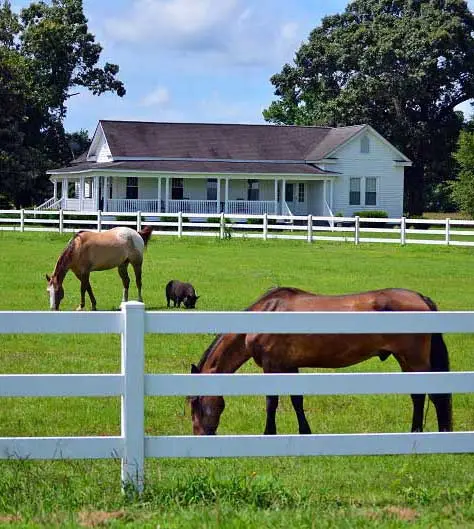
Equine Fence: The Complete Guide to Safe, Durable, and Modern Horse Fencing
An Equine Fence defines more than boundaries; it protects horses, supports daily operations, and shapes the entire appearance of an equestrian property. Because horses possess strength, speed, and sensitivity, fencing demands careful selection. Therefore, property owners must focus on safety, visibility, durability, and cost efficiency at the same time. This detailed guide explains materials, advantages, expenses, and upkeep while presenting modern solutions that outperform outdated options.
Why an Equine Fence Matters for Horse Safety
Horse owners prioritize safety above everything else. An Equine Fence prevents escapes, reduces injury risks, and maintains calm movement across pastures. Unlike general livestock fencing, equine fencing requires smooth surfaces, high visibility, and consistent strength. Consequently, proper fencing reduces panic responses and accidental entanglement.
Moreover, well-planned fencing improves herd management. Horses respect clear boundaries, especially when fence lines remain consistent and visible. As a result, daily handling becomes easier, and stress levels drop across the property. Additionally, premium fencing enhances property value while presenting a professional appearance.
Key Design Principles of an Equine Fence
Every successful Equine Fence follows specific design rules. First, height matters. Most equine enclosures require fences between 4.5 and 5 feet tall. This height discourages jumping while maintaining open sightlines. Second, spacing must prevent hooves from getting trapped. Therefore, horizontal rails or solid panels work better than wide wire gaps.
Visibility also plays a vital role. Horses rely on vision while running at speed. For that reason, fencing should contrast clearly with surroundings. Finally, flexibility and strength must balance properly. Materials should absorb impact without breaking into sharp fragments. These combined elements define a reliable equine fencing system.
Types of Equine Fence for Modern Properties
Traditional Wood Equine Fence
Wood fencing remains a familiar sight across horse farms. Many owners appreciate its classic appearance and natural integration with landscapes. Wood rails provide clear visual boundaries, which horses recognize quickly.
However, wood demands frequent care. Moisture, insects, and sun exposure weaken boards over time. Splintering and cracking increase injury risk, especially in high-traffic paddocks. While wood suits aesthetic goals, it often increases long-term maintenance costs. Therefore, many owners now transition toward modern alternatives.
Aluminum Equine Fence: Strength Without Compromise
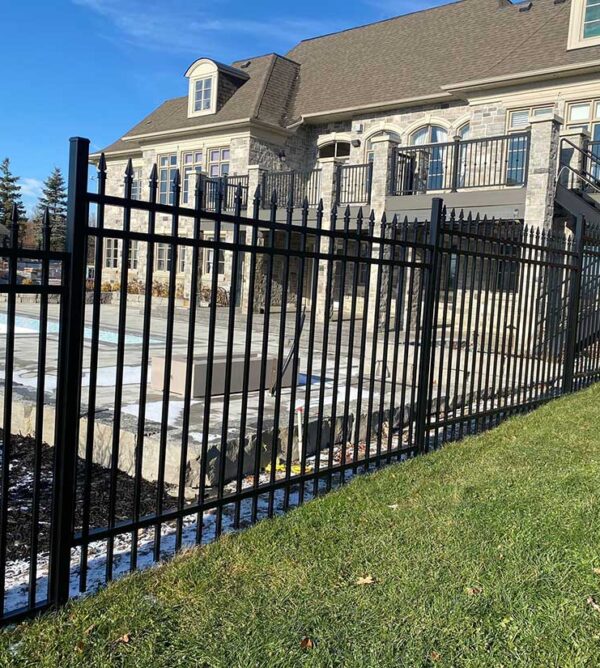
An Aluminum Equine Fence delivers strength, elegance, and reliability in one system. Aluminum resists rust, corrosion, and moisture damage. Consequently, it performs well in all climates, including humid or coastal regions.
Aluminum fencing maintains smooth surfaces that reduce injury risks. Additionally, manufacturers design rails with reinforced interiors, which handle pressure without bending. Although aluminum costs more initially, it offsets expenses through longevity and minimal maintenance. Because it never requires painting or sealing, aluminum remains a top-tier option for professional equestrian facilities.
Vinyl Equine Fence: Safety Meets Style
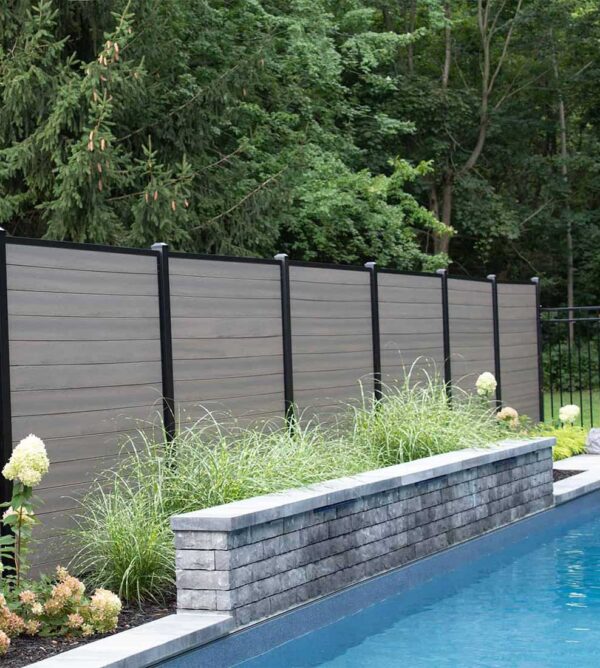
A Vinyl Equine Fence combines flexibility with clean aesthetics. Vinyl rails flex under impact, which reduces the chance of serious injury. This characteristic makes vinyl especially popular in turnout areas and training paddocks.
Furthermore, vinyl fencing resists rot, insects, and UV damage. Owners clean it easily using water and mild soap. While vinyl may crack under extreme cold if poorly manufactured, high-quality products perform reliably across seasons. As a result, vinyl fencing offers a balanced solution for safety-focused horse owners.
Wire-Based Options Used with Equine Fence Systems
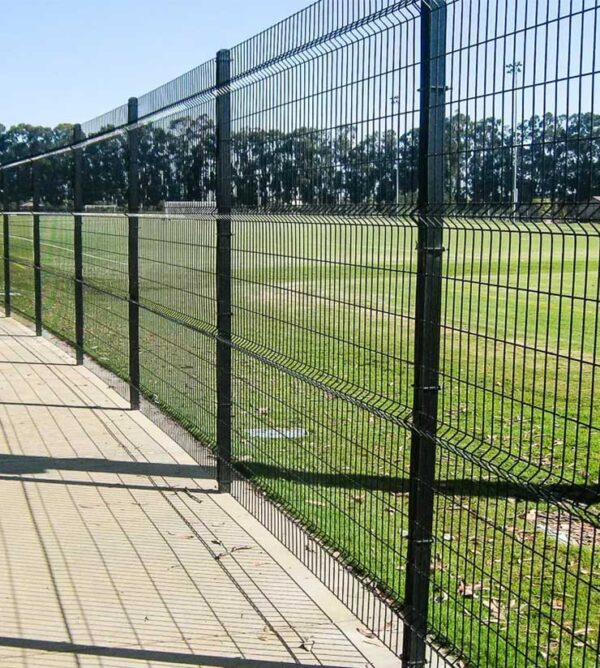
Some properties integrate wire within an Equine Fence design. High-tensile wire, when combined with visible rails, adds containment strength. Electric wire also discourages leaning and chewing behaviors.
However, wire alone presents safety concerns. Horses may fail to see thin strands at speed. Therefore, professionals recommend pairing wire with wood, vinyl, or aluminum rails for improved visibility. This hybrid approach improves containment while maintaining safety.
Benefits of Installing a High-Quality Equine Fence
An Equine Fence delivers multiple benefits beyond simple containment. First, it protects horses from injury by eliminating sharp edges and unstable materials. Second, it enhances daily handling by guiding movement naturally.
Additionally, quality fencing improves pasture management. Controlled grazing reduces overuse, which supports healthier grass growth. Moreover, strong fencing prevents unwanted interactions with neighboring animals or traffic. Finally, premium fencing increases property value and market appeal. These combined advantages justify the investment.
Average Cost of an Equine Fence
Costs vary depending on materials, terrain, and layout. On average, an Equine Fence falls within the following ranges:
-
Wood fencing: $15–$30 per linear foot
-
Vinyl fencing: $20–$40 per linear foot
-
Aluminum fencing: $25–$50 per linear foot
Labor, gates, and ground preparation influence final pricing. Although wood appears affordable initially, maintenance expenses accumulate quickly. Conversely, aluminum and vinyl offer predictable long-term costs. Therefore, many owners choose higher upfront investments to reduce lifetime spending.
Maintenance Requirements for an Equine Fence
Maintenance affects safety and longevity. A neglected Equine Fence increases injury risk and replacement expenses. Wood fencing requires staining, sealing, and frequent inspections. Boards may warp, rot, or splinter, especially in wet climates.
Vinyl fencing needs minimal care. Occasional washing preserves appearance and function. Aluminum fencing requires even less attention. Owners typically inspect fasteners annually and clean surfaces when needed. Because aluminum resists corrosion, it remains structurally sound for decades.
Durability and Weather Resistance of Equine Fence Materials
Durability defines fencing value. Aluminum stands out for its resistance to rust, moisture, and temperature extremes. Vinyl performs well under sunlight and rain, although extreme cold demands quality manufacturing. Wood struggles in harsh environments unless treated consistently.
An Equine Fence must withstand impact, weather shifts, and daily use. Therefore, modern materials outperform traditional ones in most regions. Durable fencing reduces repairs and protects horses more effectively over time.
Safety Considerations When Choosing an Equine Fence
Safety remains the top priority for any Equine Fence. Smooth surfaces prevent cuts, while flexible rails reduce trauma during collisions. Visibility helps horses judge distance accurately. Secure posts maintain alignment and prevent sagging.
Additionally, proper installation ensures stability. Posts should sit deep enough to resist movement. Corners require reinforcement to handle tension. When owners follow these principles, fencing supports safe turnout and confident movement.
Comparing Aluminum Equine Fence and Vinyl Equine Fence
Both aluminum and vinyl deliver modern performance. Aluminum provides unmatched strength and refined appearance. Vinyl offers flexibility and softer impact response. Aluminum suits high-end facilities and perimeter fencing. Vinyl fits paddocks and training areas where contact occurs more frequently.
Each option outperforms wood in durability and maintenance. Therefore, the final choice depends on property goals, climate, and budget. Many farms combine both materials strategically for optimal results.
Environmental Impact of an Equine Fence
Sustainability matters increasingly. Aluminum fencing often contains recycled content and remains recyclable indefinitely. Vinyl production consumes energy, yet its long lifespan reduces replacement waste. Wood fencing relies on chemical treatments that may affect soil over time.
Choosing a durable Equine Fence reduces environmental impact through longevity. Fewer replacements mean fewer resources consumed. Therefore, modern fencing supports both operational and environmental goals.
Installation Planning for an Equine Fence
Proper planning ensures success. Property owners should map layouts, identify terrain challenges, and plan gate placement carefully. Straight lines improve strength and appearance. Corners require bracing for stability.
Professional installation often delivers better results, especially for aluminum systems. However, experienced owners may install vinyl fencing successfully with proper tools. Regardless, careful preparation prevents costly adjustments later.
Long-Term Value of an Equine Fence Investment
An Equine Fence represents a long-term investment. Quality materials reduce injury risks, lower maintenance costs, and preserve property value. Horses benefit from consistent boundaries and safer environments. Owners benefit from peace of mind and operational efficiency.
Over time, modern fencing systems pay for themselves through reduced repairs and replacements. Therefore, choosing wisely at the start delivers lasting rewards.
Conclusion: Choosing the Right Equine Fence
Selecting the right Equine Fence requires thoughtful evaluation of safety, durability, maintenance, and cost. Aluminum and vinyl fencing provide modern solutions that outperform traditional materials. While wood offers visual charm, it demands constant care.
Ultimately, a well-designed equine fence protects horses, enhances property aesthetics, and supports efficient management. By prioritizing quality and safety, owners create environments where horses thrive and operations run smoothly.
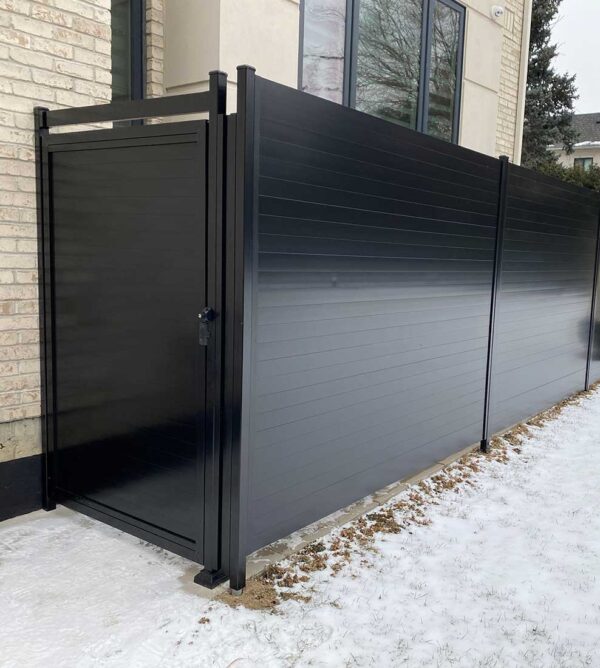
Looking For matching gate? click here
Looking for Railings? click here
Reviews
There are no reviews yet.