
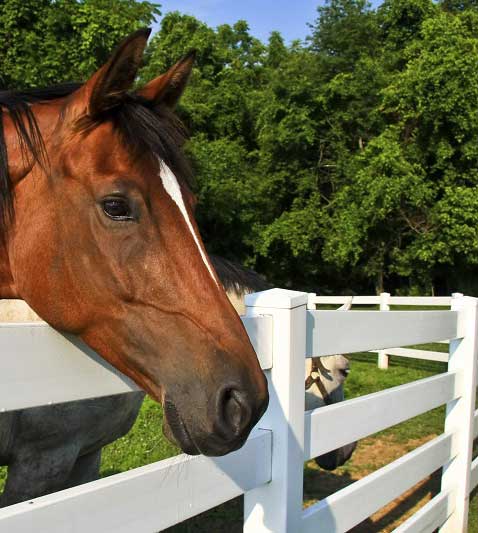
Vinyl Horse Fence Manufacturing and Professional Installation Guide
Introduction to Modern Equine Fencing Solutions
Equestrian properties demand fencing systems that balance safety, appearance, and long-term efficiency. Therefore, material selection has become a critical decision for farm owners, breeders, and facility managers. Over time, traditional wood fencing has shown clear limitations, especially when exposed to weather, animals, and daily use. Meanwhile, polymer-based fencing solutions have steadily gained popularity across professional and private equine facilities. As expectations rise, advanced manufacturing methods and refined installation practices continue to reshape the fencing industry. Consequently, property owners now prioritize materials that deliver predictable performance, controlled costs, and consistent visual appeal.
Understanding the Role of the Vinyl Horse Fence in Equestrian Design
The Vinyl Horse Fence represents a modern alternative designed to address the shortcomings of conventional fencing. It is engineered using high-grade polyvinyl compounds that deliver strength without excessive weight. Moreover, these systems are produced with internal ribbing that enhances rigidity while maintaining flexibility under pressure. Because of these characteristics, the fence adapts well to equine movement and environmental stress. Additionally, manufacturers focus on uniform dimensions, which simplifies installation and ensures consistent alignment across long fence lines.
Raw Material Selection and Manufacturing Processes
Manufacturing begins with carefully formulated vinyl resins combined with UV inhibitors and impact modifiers. As a result, the finished components resist sun damage and cracking. During extrusion, rails and posts are shaped with precision-controlled temperatures to maintain structural integrity. Meanwhile, surface textures are integrated directly into the material, eliminating the need for paint or coatings. Consequently, color consistency is preserved throughout the product’s lifespan. Quality checks are performed at each production stage, and dimensional accuracy is verified before packaging. Therefore, installers receive components ready for efficient assembly.
Structural Engineering and Safety Considerations
Equine fencing must prioritize safety above all else. Rounded edges, smooth surfaces, and flexible response to impact reduce injury risks. Therefore, vinyl systems are engineered to flex slightly when pressure is applied, then return to their original shape. Unlike rigid materials, this controlled flexibility minimizes breakage. Furthermore, internal reinforcements distribute force evenly across rails. As a result, the structure remains stable even in high-traffic paddocks or training areas. Safety standards are consistently met through tested engineering principles.
Manufacturing Advantages of Vinyl Horse Fence Over Traditional Wood Fencing
Wood fencing relies heavily on natural variability, which introduces weaknesses over time. Grain patterns, moisture absorption, and insect exposure all compromise longevity. In contrast, manufactured vinyl components offer uniform strength throughout each piece. Moreover, they do not absorb water, which prevents swelling and decay. Because these factors are eliminated, structural performance remains predictable. Consequently, owners experience fewer failures and reduced replacement cycles. This reliability directly supports operational continuity in equestrian environments.
Professional Installation Planning and Site Preparation of Vinyl Horse Fence
Proper installation begins with detailed site assessment. Soil conditions, drainage patterns, and fence layout are evaluated before work begins. Therefore, post spacing and depth are calculated precisely. During installation, posts are anchored securely to prevent shifting. Meanwhile, rails are fitted using interlocking systems that maintain consistent spacing. As a result, fence lines remain straight and visually appealing. Professional installers follow manufacturer guidelines closely, which ensures structural performance is preserved after installation is completed.
Installation Efficiency and Labor Optimization of Vinyl Horse Fence
Vinyl fencing systems are designed for streamlined installation. Pre-routed posts and standardized rail lengths reduce on-site adjustments. Therefore, labor time is minimized without sacrificing quality. Additionally, lightweight components allow for easier handling. Consequently, installation crews maintain consistent productivity across large properties. Faster installation also reduces disruption to daily equine operations. This efficiency benefits both installers and property owners by controlling project timelines and costs.
Cost Analysis and Budget Forecasting
Initial costs for vinyl equine fencing generally fall between mid-range and premium pricing tiers. However, cost predictability remains a significant advantage. While wood fencing may appear cheaper initially, long-term expenses quickly accumulate. Repair, repainting, and replacement costs increase annually. In contrast, vinyl systems maintain their appearance and function without ongoing investment. Therefore, total cost of ownership remains stable. Budget planning becomes simpler, and unexpected expenses are largely avoided.
Maintenance Requirements and Long-Term Care
Maintenance demands are intentionally minimal. Occasional rinsing removes dirt and organic buildup. Therefore, no chemicals or specialized treatments are required. Unlike wood, there is no need for sealing or staining. Hardware inspections are straightforward and rarely reveal issues. Consequently, maintenance schedules are shorter and less frequent. This simplicity allows property managers to focus on animal care rather than infrastructure upkeep.
Durability of Vinyl Horse Fence in Varied Environmental Conditions
Environmental exposure challenges all outdoor structures. However, vinyl fencing is engineered to withstand temperature fluctuations, moisture, and UV radiation. Therefore, it performs reliably in diverse climates. Cold weather does not cause brittleness, and heat does not result in warping. As a result, structural integrity remains intact year-round. Durability ensures consistent containment and reduces long-term replacement needs.
Comparative Benefits of Vinyl Horse Fence Over Wood Horse Fence Systems
Wood fencing requires constant attention. Rot, splintering, and insect damage are ongoing concerns. Meanwhile, vinyl eliminates these issues entirely. Because it does not degrade biologically, lifespan expectations are significantly longer. Additionally, surface consistency enhances safety by removing sharp edges. Consequently, vinyl systems provide a cleaner, safer environment for horses. These benefits directly translate into operational efficiency and peace of mind for owners.
Aesthetic Consistency and Property Enhancement
Visual appeal plays an important role in equestrian facilities. Uniform color, clean lines, and smooth finishes create a professional appearance. Therefore, vinyl fencing enhances overall property presentation. Color is integrated throughout the material, so scratches do not expose underlying layers. As a result, the fence maintains a polished look for years. This consistency supports branding and elevates perceived property value.
Customization Options and Layout Flexibility
Vinyl fencing systems offer extensive customization. Rail configurations, heights, and spacing can be adjusted to meet specific needs. Therefore, paddocks, arenas, and perimeter fencing can follow a cohesive design. Additionally, gates and access points integrate seamlessly. Flexibility allows properties to evolve without replacing existing structures. Consequently, long-term planning becomes easier and more cost-effective.
Environmental Impact and Sustainability Factors
Sustainability considerations influence modern construction decisions. Vinyl fencing materials are recyclable, and manufacturing processes minimize waste. Therefore, environmental impact is reduced compared to repeated wood harvesting. Additionally, long service life decreases resource consumption over time. These factors align with responsible land management practices. Sustainability benefits extend beyond cost savings and contribute to broader environmental goals.
The Vinyl Horse Fence as a Strategic Investment
The Vinyl Horse Fence delivers measurable advantages across safety, durability, and maintenance efficiency. It supports predictable budgeting while enhancing property aesthetics. Because performance remains consistent over time, owners experience fewer disruptions. Furthermore, professional manufacturing and installation standards ensure reliable results. Consequently, this fencing solution represents a forward-thinking investment for modern equestrian operations.
Operational Reliability and Long-Term Performance
Operational reliability is essential in equine environments. Fencing must contain animals safely without frequent intervention. Therefore, vinyl systems are engineered for stability under daily use. Their resistance to environmental and physical stress supports uninterrupted operation. As a result, property managers benefit from dependable infrastructure that performs as expected year after year.
Conclusion: Future-Proofing Equestrian Properties
Selecting the right fencing system influences safety, costs, and property value. The Vinyl Horse Fence stands out as a solution that addresses modern demands with proven performance. It reduces maintenance burdens while maintaining visual consistency. Moreover, manufacturing precision and professional installation ensure long-term success. Therefore, equestrian facilities equipped with this system are well-positioned for future growth and operational efficiency.
Reviews
There are no reviews yet.